

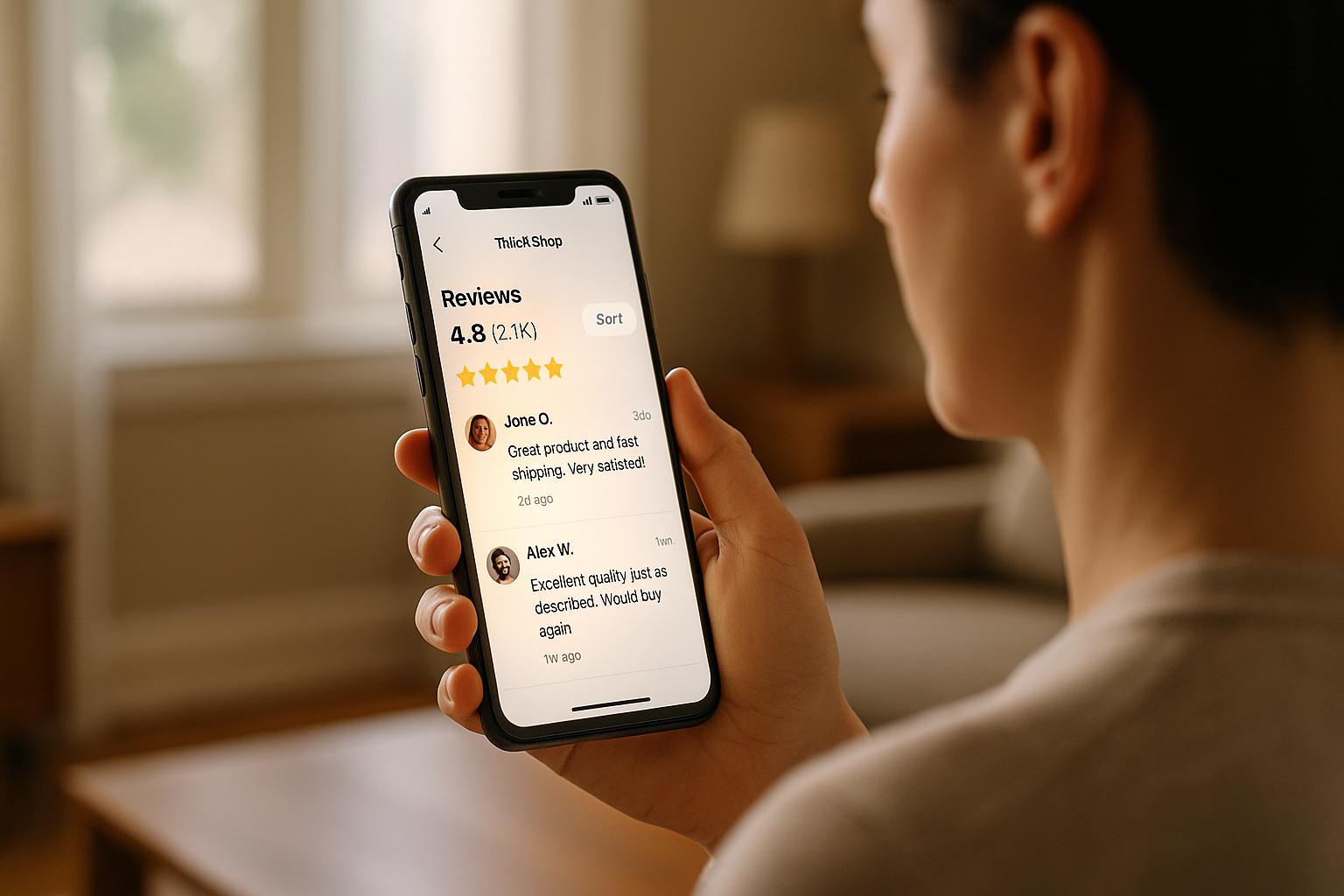
TikTok Shop reviews can boost sales by up to 270%, but collecting them comes with privacy risks. Handling sensitive data like names, emails, and even biometric details requires strict adherence to U.S. privacy laws, including CCPA, COPPA, and FTC guidelines. Failure to comply can result in fines of up to $7,500 per violation or account restrictions.
Key Takeaways:
- Data Risks: TikTok collects personal, behavioral, and biometric data, raising privacy concerns.
- Legal Compliance: Sellers must follow laws like CCPA (data transparency) and COPPA (parental consent for minors).
- Best Practices: Use clear consent forms, limit data collection to essentials, and conduct regular privacy audits.
- Business Impact: 87% of consumers prioritize privacy; mishandling data can erode trust and harm sales.
- Funding Solutions: Revenue-based financing (e.g., Onramp Funds) can help sellers invest in privacy tools.
By securing customer data and staying compliant, sellers can protect their business and build lasting trust.
Privacy Challenges in TikTok Shop Review Collection
TikTok Shop sellers face distinct challenges when it comes to privacy. The way data is collected for reviews can lead to compliance issues, legal risks, and a breakdown of trust. Let’s take a closer look at the specific types of data being collected and the associated concerns.
Types of Sensitive Data Collected from Reviewers
TikTok Shop’s review system gathers more than just basic contact information. It collects geolocation data, biometric identifiers, detailed device specifications, and behavioral analytics[1][2]. This creates what’s known as a digital fingerprint, which can uniquely identify users and track their activity across the platform[2]. This expansive data collection opens the door to additional risks, such as unauthorized profiling and complex data-sharing scenarios[1][2].
The profiles created from this information can reveal a lot - shopping habits, preferences, and even personal characteristics. It’s no surprise that 92% of businesses express concerns about data protection, emphasizing the need for strong safeguards when handling such sensitive information[1].
A cybersecurity audit of TikTok’s biometric data protection measures found that the platform’s protocols may not meet enterprise-grade security standards, raising concerns for businesses whose employees or customers interact with branded features[2].
Data Sharing Without Proper Consent
Sharing reviewer data without explicit permission is a major concern. Whether it’s through automated systems or third-party tools, this practice can lead to legal troubles and erode trust. Examples include sharing data with partners or internal teams for purposes beyond the original review intent.
Unauthorized data sharing can result in privacy violations, legal fines, and a loss of customer trust[1][4]. Risks include misuse of personal information for targeted advertising, exposure to third-party breaches, and violations of laws like the California Consumer Privacy Act (CCPA) and the Children's Online Privacy Protection Act (COPPA)[1][5].
Adding to the complexity, TikTok’s data-sharing practices are subject to Chinese law. This raises concerns about government access and international data transfers, which could complicate compliance for sellers[2]. Even if sellers themselves don’t share data, TikTok’s practices could still create compliance risks.
In 2023, a major TikTok Shop seller faced a temporary account restriction after failing to comply with TikTok’s privacy policies on data collection and sharing. This incident underscored the importance of regular compliance audits and transparent data practices[1].
To address these issues, sellers need to implement clear opt-in consent mechanisms, like checkboxes or digital signatures, before collecting or sharing reviewer data[1][4]. These consent forms should spell out what data is collected, how it will be used, and who it will be shared with. Special attention is also required when dealing with data from underage users.
Privacy Rules for Underage Users
TikTok’s popularity among younger audiences presents unique challenges, especially when reviews come from users under 13. In compliance with COPPA, collecting reviews from minors requires parental consent, age verification, and minimal data collection[1].
The regulations are strict. Sellers must confirm the age of reviewers, secure parental consent, and limit data collection to what’s absolutely necessary[1]. Relying solely on TikTok’s age verification isn’t enough - sellers need their own systems to identify minors and handle their data responsibly.
67% of users are unaware of TikTok’s behavioral tracking capabilities, highlighting the need for clear communication about data collection practices. This is especially important for younger users, who may not fully grasp the implications[1]. Non-compliance with COPPA can lead to serious consequences, such as fines for failing to secure parental consent, penalties for unauthorized data sharing, and account suspensions[1][5].
Age verification adds another layer of difficulty in the fast-paced world of social commerce. Sellers must establish processes to identify underage reviewers, obtain proper consent, and ensure data collection is limited to what’s essential for the review process. These steps are just as critical as the broader privacy measures needed to protect all users on TikTok Shop.
Best Practices for Privacy-Compliant Review Collection
When it comes to collecting reviews on TikTok Shop, maintaining privacy compliance is a must. Not only does it help you meet legal requirements, but it also gives you a competitive edge - especially since 87% of consumers prioritize data privacy when choosing brands[1].
Clear Privacy Policy Disclosure
Make your privacy policy easy to find and even easier to understand. Use straightforward language to explain how you collect, use, share, and store data. This transparency helps address the concerns we discussed earlier.
Your policy should cover five main points:
- What data you collect (e.g., review text, star ratings)
- Why you need it
- How it will be used
- Who it will be shared with
- How long it will be kept
Instead of vague statements like, "We collect user-generated content for operational purposes", try something more specific: "We use your review text and star rating to help future customers make informed decisions."
Also, get explicit consent before collecting any data. A simple checkbox saying, "I agree to share my review publicly", or a digital signature works well. The goal is to ensure customers actively opt in.
If you use third-party tools - like analytics software or customer service platforms - to process reviews, mention them in your policy. Transparency here builds trust and strengthens your reputation.
Data Minimization and Security Measures
Only collect the data you truly need. For TikTok Shop reviews, this usually means sticking to basics like the reviewer's username, rating, review text, and purchase date. Avoid asking for sensitive details like email addresses or phone numbers unless absolutely necessary.
Why is this important? Collecting unnecessary data not only increases risks but could also lead to hefty fines. Under GDPR, fines can reach up to 4% of global annual revenue for violations[1]. For example, instead of asking for a full address to verify purchases, you can rely on TikTok's existing verification tools.
Security is equally critical. Use industry-standard encryption, enable two-factor authentication, and limit access to sensitive data. Accounts with advanced privacy settings see 47% fewer security breaches, while those using extra security features face 58% fewer unauthorized access attempts[1].
Don’t forget to keep your defenses up to date. Regular software updates, strong passwords, and periodic security audits go a long way in identifying and fixing vulnerabilities[1][2].
Regular Compliance Audits and Updates
Staying compliant isn’t a one-time task - it’s an ongoing process. Set up a structured audit schedule to catch potential issues early.
- Monthly audits: Focus on day-to-day operations. Check the data you’ve collected, verify consent records, and review access logs.
- Quarterly audits: Take a deeper dive. Update privacy policies, test data deletion processes, evaluate security measures, and review third-party tools[1][2].
If possible, appoint a Data Privacy Officer (DPO) to stay on top of compliance efforts. This person should monitor changes in TikTok’s privacy policies and data protection laws, handle customer data requests, train staff, and conduct audits. For smaller businesses, this role could be part of an operations manager or customer service lead’s responsibilities.
| Audit Type | Frequency | Key Focus Areas | Expected Outcome |
|---|---|---|---|
| Monthly | Every 30 days | Data collection review, consent documentation, access logs, retention compliance | Operational compliance verification |
| Quarterly | Every 90 days | Policy updates, system testing, security assessment, third-party review | Comprehensive compliance assurance |
TikTok Shop Privacy Features and Seller Responsibilities
TikTok Shop offers a range of privacy tools to protect user data, but sellers still carry significant responsibilities when it comes to maintaining compliance. While the platform provides robust systems for safeguarding information, sellers must take active steps to ensure their practices align with privacy regulations.
TikTok Shop's Privacy Protection Tools
TikTok Shop employs encryption to secure both stored and transmitted data, safeguarding sensitive reviewer details. Additionally, sellers are required to complete identity and business verification processes, which help prevent fraudulent accounts from misusing the review system [1][6].
The platform also uses fraud detection systems to monitor for unusual activities. These automated systems identify irregular patterns in data collection or access attempts, minimizing potential security breaches [1][6].
For sellers targeting younger audiences, TikTok Shop includes privacy settings designed to comply with COPPA (Children’s Online Privacy Protection Act). These default settings limit data sharing and restrict direct messaging for users under 18, helping sellers meet legal requirements [1][3].
TikTok Shop also enables reviewers to manage their personal data through a privacy dashboard. This feature supports CPRA (California Privacy Rights Act) compliance by allowing users to view, update, or delete their information. The dashboard provides transparency by showing what data has been collected, how it is being used, and with whom it is shared [1][3].
To further reinforce data security, TikTok conducts regular reviews of sellers’ practices, ensuring they remain aligned with evolving privacy regulations [6]. However, while these tools create a strong framework, sellers need to implement additional measures to meet their compliance responsibilities fully.
Seller Compliance Requirements
In addition to leveraging TikTok’s privacy tools, sellers must actively manage their own compliance efforts. Collecting and handling sensitive data requires strict adherence to privacy laws and platform guidelines. Sellers must obtain explicit consent before collecting reviewer data. This can be achieved by providing clear privacy notices on their TikTok Shop profiles or websites, detailing what data is being collected and why [1][5].
Consent mechanisms should be simple and transparent. For example, using a checkbox with clear language like, “I consent to having my review published publicly,” or a pop-up notification ensures users actively opt in rather than being automatically enrolled [1][5].
Maintaining detailed records is another critical step. Sellers should document reviewer consents, data access requests, and any updates to their privacy practices. These records are essential for audits and demonstrate compliance [1][5].
TikTok strictly prohibits the sharing of data from minors under 13 or any sensitive personal information. Sellers must implement strong security measures to protect data collected through lead forms or review processes [7]. Additionally, when working with third-party vendors, such as analytics or customer service platforms, sellers should ensure these vendors are contractually bound to use data only for authorized purposes, as required under U.S. privacy laws [7].
Non-compliance can result in serious penalties. Sellers who fail to meet TikTok Shop’s data protection standards risk fines of up to 4% of their global annual revenue under GDPR or $7,500 per violation under CPRA. TikTok may also suspend or terminate accounts that violate these standards [1][5].
To reduce risks, sellers should enable two-factor authentication on their TikTok Shop accounts and regularly review privacy settings. Restrict access to reviewer data to only those employees who need it for essential operations.
Finally, staying informed is key. Monitor updates in the TikTok Shop Partner Center and subscribe to official newsletters to stay ahead of policy changes. Adapting to new requirements as they emerge will ensure your practices remain compliant [6][4].
sbb-itb-d7b5115
Using Onramp Funds for Privacy-Compliant Operations
Meeting privacy compliance standards often requires significant upfront spending on security tools, compliance software, and audits. For many sellers, especially those on platforms like TikTok Shop, these costs can feel overwhelming, especially when traditional loans come with fixed monthly payments that don't adjust to fluctuating revenues.
Onramp Funds offers a solution with its equity-free, revenue-based financing. Designed specifically for TikTok Shop sellers, this model ties repayments to a percentage of sales, making it easier to manage cash flow without giving up ownership of the business. Let’s dive into how this funding helps sellers invest in essential privacy and security measures.
Funding Privacy and Security Tools
Privacy compliance often requires tools and systems that are costly to implement. Onramp Funds allows TikTok Shop sellers to invest in critical resources like encrypted storage, secure review platforms, automated privacy notices, and compliance audit tools - all without needing to pay upfront.
With funding amounts ranging from $1,000 to $500,000, sellers of all sizes can access the tools they need. Smaller businesses can cover basic privacy needs, while larger operations can invest in advanced security infrastructure. For example, sellers can use these funds to set up encrypted databases to protect sensitive customer data, deploy automated systems for collecting user consent, or introduce data minimization processes that align with regulations like COPPA and CPRA.
"Applied, got our offer, and had cash in our bank account within 24 hours. Their Austin, TX-based team was very professional and helped me deploy the cash to effectively grow our business."
– Nick James, CEO Rockless Table
The fast funding process is a game-changer for sellers facing tight compliance deadlines. Funds are typically available within 24 hours, enabling businesses to act quickly and implement necessary security measures without delay.
For sellers catering to underage users, Onramp Funds can help finance COPPA-compliant systems that limit data collection from users under 13. While these systems are more expensive than standard platforms, they are essential for meeting regulatory requirements and avoiding potential penalties.
Revenue-Based Financing for TikTok Shop Sellers
Traditional loans often come with fixed payments, which can put a strain on businesses during slower sales periods. In contrast, Onramp Funds’ revenue-based financing ties repayments to a percentage of daily or weekly sales, typically between 6% and 15%. This flexibility allows sellers to invest in privacy compliance without the stress of rigid payment schedules, especially during seasonal downturns or slower months.
"Onramp offered the perfect solution with revenue-based financing to secure the capital we needed to invest in inventory and pay it back at a reasonable time frame once we made sales. The process was quick, easy, and the support was great."
– Jeremy, Founder and Owner of Kindfolk Yoga
This repayment model adjusts naturally to business performance. During high-sales periods, sellers can pay off their loans faster, while slower periods result in smaller payments, ensuring that cash flow remains healthy.
To qualify for Onramp Funds, TikTok Shop sellers need to be a legal business entity in the United States with at least $10,000 in average monthly sales. The application process focuses on business performance, not personal credit scores, making it more accessible for sellers.
So far, Onramp Funds has supported over 3,000 eCommerce loans and holds an A+ rating with the Better Business Bureau. Its "Great" rating on Trustpilot, based on 214 reviews, highlights consistent customer satisfaction with both the funding process and ongoing support.
"Onramp has simplified cash flow by automating everything: easy to request, set it and forget it payments - quick and fast!"
– Torrie V., Founder and Owner of Torrie's Natural
This flexible financing approach empowers sellers to take a proactive stance on privacy compliance. Instead of waiting for problems to arise, sellers can use Onramp Funds to conduct regular privacy audits, hire experts, and maintain robust security systems. Beyond protecting customer data, these efforts build trust - a critical factor for long-term success in competitive marketplaces like TikTok Shop.
Building Trust Through Privacy-Compliant Practices
Fostering customer trust goes hand in hand with strong privacy practices. In fact, 87% of consumers say data privacy is a key factor when choosing brands[1]. How you manage review data isn’t just about compliance - it’s a direct path to building lasting customer relationships.
When customers trust you with their data, they’re more likely to leave honest reviews, return for future purchases, and recommend your products to others. On the flip side, mishandling privacy can erode trust and harm your reputation, especially on platforms like TikTok Shop.
Transparency is the cornerstone of trust. Be upfront about what data you collect and how it’s used. Sellers who turn transparency into a priority often find it becomes a competitive advantage. The most trusted TikTok Shop sellers go beyond the basics: they obtain clear consent, make data management straightforward, and collect only what’s absolutely necessary.
Proving your commitment to security also matters. Regular security updates and privacy audits show customers that their information is safe with you. These measures not only protect your business but also reassure your audience.
The impact of privacy-compliant practices extends far beyond individual transactions. Customers who trust your data handling are more likely to engage with your brand, participate in reviews, and provide feedback that helps you improve. Over time, these efforts build stronger relationships and deliver valuable insights.
If your audience includes younger users, COPPA compliance is a key opportunity to build trust with parents. By clearly explaining how you handle data from users under 13 and offering parents easy ways to manage their child’s information, you demonstrate a level of care that resonates with families. This not only safeguards sensitive data but also establishes credibility with both younger users and their guardians.
Ongoing privacy audits and updates signal that your commitment to privacy isn’t a one-time effort. As regulations evolve and TikTok adjusts its policies, staying proactive with updates helps reinforce customer trust. It also ensures you’re always aligned with legal standards, reducing risks and strengthening loyalty.
Investing in privacy doesn’t just protect your business - it pays off in the long run. It leads to higher customer lifetime value, fewer support issues, and minimized compliance risks. With 92% of businesses expressing concerns about data protection[1], it’s clear that privacy is a priority across industries. For TikTok Shop sellers, it’s more than a requirement - it’s the foundation for sustainable growth and strong customer relationships.
FAQs
How can TikTok Shop sellers ensure they comply with privacy laws like CCPA and COPPA?
To meet the requirements of privacy laws like the California Consumer Privacy Act (CCPA) and the Children’s Online Privacy Protection Act (COPPA), TikTok Shop sellers should take these essential steps:
- Get clear consent: Always secure explicit permission before collecting or using personal data, especially when dealing with customers under 18.
- Be upfront about data use: Provide a clear and detailed explanation in your privacy policy about how customer data is collected, stored, and used.
- Collect only what’s needed: Limit data collection to what’s necessary for running your business, like processing orders or gathering reviews.
- Secure customer information: Use robust security measures to protect personal data from breaches or unauthorized access.
Focusing on privacy and compliance not only helps you avoid legal trouble but also strengthens customer trust. If you're aiming to expand your eCommerce business, platforms like Onramp Funds offer flexible funding solutions designed to support TikTok Shop sellers.
What should TikTok Shop sellers know about protecting the privacy of underage users when collecting reviews?
TikTok Shop sellers need to pay close attention to privacy concerns, particularly when dealing with data from younger users. TikTok strictly prohibits the collection of personal data from users under the age of 13, and sellers must adhere to this policy to stay compliant. Furthermore, sellers operating in the United States must align their practices with the Children’s Online Privacy Protection Act (COPPA), which requires parental consent before collecting personal information from children under 13.
To safeguard underage users and remain compliant, sellers can take steps like:
- Avoiding direct requests for reviews from accounts that seem to belong to minors.
- Being transparent about how data is collected and used, ensuring clear communication with users.
- Regularly updating privacy policies to meet TikTok’s standards and U.S. legal requirements.
These practices not only help sellers comply with privacy laws but also foster trust among their audience.
How can Onramp Funds help TikTok Shop sellers invest in privacy tools and ensure compliance?
Onramp Funds provides revenue-based financing tailored specifically for TikTok Shop sellers, giving them a chance to grow their businesses while tackling essential concerns like data privacy and security. With quick, equity-free funding, sellers can invest in resources that safeguard customer information and enhance trust.
Repayments are structured as a percentage of sales, offering flexibility that helps sellers manage their cash flow effectively. This setup ensures they can allocate funds toward improving compliance and security measures while staying focused on expanding their business.
Related Blog Posts
Onramp Funds
Funding built around your sales
Connect your store and see what you qualify for. Repay as a percentage of sales, with no personal credit check.
Funding in as little as 24 hours.
