


Originally published March 2nd, 2022
Last updated June 2nd, 2025
ECommerce Startup Loans Are Becoming Mainstream
It may seem unlikely that the number of new small businesses rose in recent months, but despite COVID challenges, it is true. One of the biggest booms? The number of companies related to online sales, and fueling a rise in demand for eCommerce startup loans.
Many of these new ventures are seeking out alternative financing to meet the unique demands of running an ecommerce business.
The following data from the Economic Innovation Group illustrates the above:
- As of the end of 2020, nearly 4.5 million new business applications had been created.
- Business applications increased 24.3% from 2019 and were 51.0% higher than the 2010-19 average.
- Retail had the most significant increase in new business applications between 2019 and 2020, up 54%.
- Retail trade grew owing primarily to the subsector "non-store retail trade," which accounted for 77% of the growth.
- A spike in this sector makes sense, given how the pandemic has shifted consumption patterns. Non-store retailers typically sell goods online and deliver them directly to customers.
This surge highlights the growing relevance of online retailers and the increasing demand for e-commerce loans tailored to startup environments.
Taking advantage of the changes in the pandemic may entice you to look into eCommerce startup loans to begin your own company. You can choose from several options, ranging from credit cards to bank loans. Despite their widespread use, these traditional instruments do not necessarily adapt to the unique requirements of online selling.
Unlike traditional lenders, new funding options such as revenue-based financing offer flexible repayment schedules based on actual future sales.
This article will provide information about alternative financing methods that might be attractive and efficient for you.
Related: Financing Options for Amazon Sellers
6 Alternative Ways to Fund Your Business Through ECommerce Startup Loans
Shopify; reports some impressive growth data regarding the impact of the pandemic in the eCommerce space:
- Worldwide, e-retail sales topped 4.2 trillion dollars in 2020, with over two billion people purchasing goods or services online.
- Almost 70% of all retail website visits worldwide took place on smartphones in 2021, although desktop and tablet users will generate higher conversion rates.
- Around the world, the pandemic has continued to affect online commerce and consumer behavior. During the first few months of 2020, with millions staying at home due to the virus, digital channels became the most popular alternative to crowded stores and in-person shopping.
- Approximately 22 billion monthly visits to retail eCommerce sites took place in June 2020, with demand exceeding high for items such as groceries, clothing, and retail tech products.
There is no surprise that you see this as an opportunity, but are you ready with your business idea and have the courage to make it a reality? Any startup takes money, so you’re likely researching how to get funding via eCommerce startup loans. We present some alternative financial approaches that do not fit into the typical definition of a loan. Consider each of them, as they can each work to support your cash flow needs, some better than others.
The right funding solutions can help small business owners manage cash flow while building a successful online business.
1. Bootstrapping
Bootstrapping is not a loan or a financial instrument per se. According to Shopify;, “It is a term used in business to refer to the process of using only existing resources, such as personal savings, personal computing equipment, and garage space, to start and grow a company. This approach contrasts with bringing on investors to provide capital or debt to fund a business’ expansion. It’s about stretching what you’ve got to get the job done.”
While bootstrapping allows total control, it can limit growth unless combined with strategic short-term funding. You can bootstrap mainly by keeping overhead low, not renting a space, avoiding luxury purchases, asking your suppliers for credit, among other actions.
2. Friends and family loan
Many entrepreneurs turn to friends and family for funding when starting a new business. For some startups, this can provide the initial capital needed to build an e-commerce store and attract early customers. Your business plan may not be complete before they lend you money. This can help you get your first stock order or start producing your own products.
Although it has a series of disadvantages that may compromise the stability of your relationships, it is a more practical way to get a loan compared to a bank loan or capital investment.
3. Capital investors
Angel investors and venture capital funds are examples of capital investors. However, unlike sba loans or business credit cards, equity financing may not suit all small business goals.. They provide financing to small startups and businesses at an early stage of their development. As a result of their capital investment, these investors receive a share of ownership in the company or convertible debt, later exchangeable for equity in the company in the future.
In terms of this alternative financing method, it is important to note that these investors are usually looking for exponential growth opportunities. You should not consider this option if your company does not fit this profile and instead has moderate and stable growth.
Related: ECommerce Seller Financing: Why It Doesn’t Always Work
4. Crowdfunding
Consumers find alternatives to traditional company-client relationships in the sharing economy to solve their needs. By tapping into large online audiences, crowdfunding provides an effective way for small business founders to raise capital quickly without depending on traditional lenders. As a result of the growing accessibility to online portals and the variety of devices available today, many companies have been able to find alternatives to eCommerce startup loans in a lucrative business niche through user interaction instead of relying on intermediaries.
Companies such as Airbnb, Uber, and TaskRabbit have seen phenomenal growth by connecting users and platforms that answer their felt needs. The financial sector is no stranger to this growing trend, which is how crowdfunding arises as an alternative for financing business ideas and early-stage companies.
Crowdfunding is the practice of raising money from many people online in order to finance a project. This funding method has become increasingly popular among ecommerce sellers launching products without access to a bank account or collateral. When small businesses and entrepreneurs with little or no credit history cannot gain access to credit, crowdfunding offers an opportunity to share ideas, companies, and projects internationally. However, if your idea or brand does not already have a large following, it can take a long time to collect the funds to get started.
5. Investing personal funds or savings
Investing with your funds is another option, similar to bootstrapping, to fund your business. Many business owners see this as a risk-free way to maintain full control while avoiding high interest rates and fixed monthly payments. It may be a good option if you have spent considerable time saving for this purpose and are willing to risk these resources by putting all or part of them into your business instead of applying for eCommerce startup loans. Another way to view this instrument is to reinvest initial profits in the industry without accounting for them in an initial stage and sacrificing things like your own salary.
So far, you've reviewed five alternatives to eCommerce startup loans. Perhaps some of these options sounded appealing to you but read through to the end to see why option #6, an eCommerce-specific funding solution, may be the most valuable for you to start your business.
6. ECommerce-Minded Financing
The traditional financing products that eCommerce business owners typically use include bank loans, credit cards, and lines of credit.
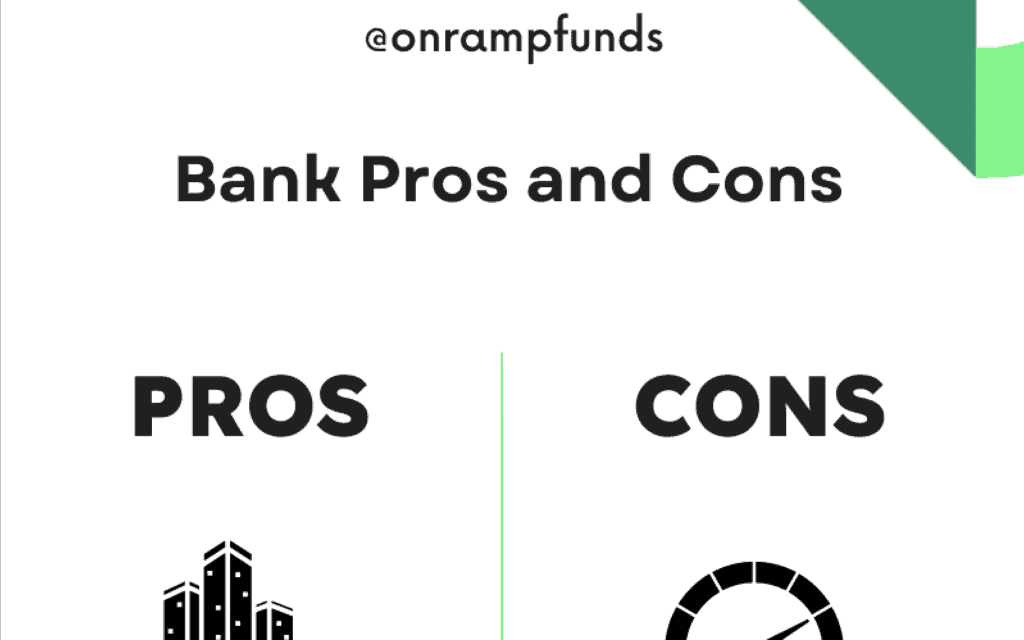
A retailer's cash flow is crucial to the success of their online business. Staying ahead of your repayment obligations is essential to managing healthy cash flow, especially for ecommerce business owners scaling operations. If your sales are inconsistent, you don't have enough working capital to purchase more inventory, and you may quickly fall into debt as you still have to pay back a portion of what you borrowed, often with interest. Inventory is tying up all your money, making it difficult for you to spend on marketing, operations, or headcount.
Many small business owners are now seeking alternative financing options like revenue-based financing or merchant cash advances, which offer more flexible repayment terms and better support for variable sales cycles.
E-commerce loans tailored for startups and digital sellers can reduce the pressure of fixed monthly payments and give entrepreneurs more control over their financial planning.
Unlike traditional loans, innovative funding solutions can provide fast access to capital without requiring a high credit score, collateral, or a personal guarantee.
Conclusion
The explosion of online businesses has changed how startups seek out business funding, and it's clear that traditional bank loans, credit cards, and even SBA loans aren't built for the fast-paced, inventory-heavy world of eCommerce. As more entrepreneurs look for flexible funding solutions that match their sales cycles and cash flow needs, alternative options like revenue-based financing, merchant cash advances, and eCommerce-minded lenders are stepping into the spotlight.
eCommerce funding solutions like Onramp give small business owners a modern way to manage their growth without worrying about rigid repayment schedules, personal guarantees, or fluctuating interest rates. By tying repayment directly to sales, Onramp gives you fast, predictable access to working capital—whether you're launching a new Shopify store, scaling your Amazon sales, or expanding your digital catalog.
In an industry where your success is measured in clicks, conversions, and inventory turns, your type of financing should be just as dynamic. Skip the delays and friction of the typical loan application process and instead choose a funding option designed specifically for the realities of running an online business. Whether you're bootstrapping, leveraging alternative lenders, or seeking your first lump sum to cover startup costs, there's never been a better time to explore smarter, more adaptive ways to fund your business.
Don’t let traditional financial institutions slow you down. Get prequalified for an Onramp advance today and take control of your eCommerce business’s future. Contact us today.
Onramp Funds
Funding built around your sales
Connect your store and see what you qualify for. Repay as a percentage of sales, with no personal credit check.
Funding in as little as 24 hours.
