


Supply chain financing (SCF) helps businesses manage cash flow by enabling faster supplier payments, even when customer payments are delayed. For eCommerce businesses, SCF is especially useful during high-demand periods like Black Friday, where upfront inventory costs can strain cash reserves. SCF addresses key risks like:
- Cash flow gaps: Covers delayed customer payments and ensures suppliers are paid on time.
- Inventory shortages: Provides funds to stock up without tying up capital.
- Supplier disruptions: Strengthens supplier relationships and avoids costly delays.
- Fraud and errors: Digital tools reduce risks from fake invoices or documentation mistakes.
Platforms like Onramp Funds offer SCF tailored to eCommerce, with fast approvals, flexible repayments tied to sales, and transparent fees (2%-8%). By integrating SCF into your business, you can stabilize operations, improve supplier terms, and reduce disruptions.
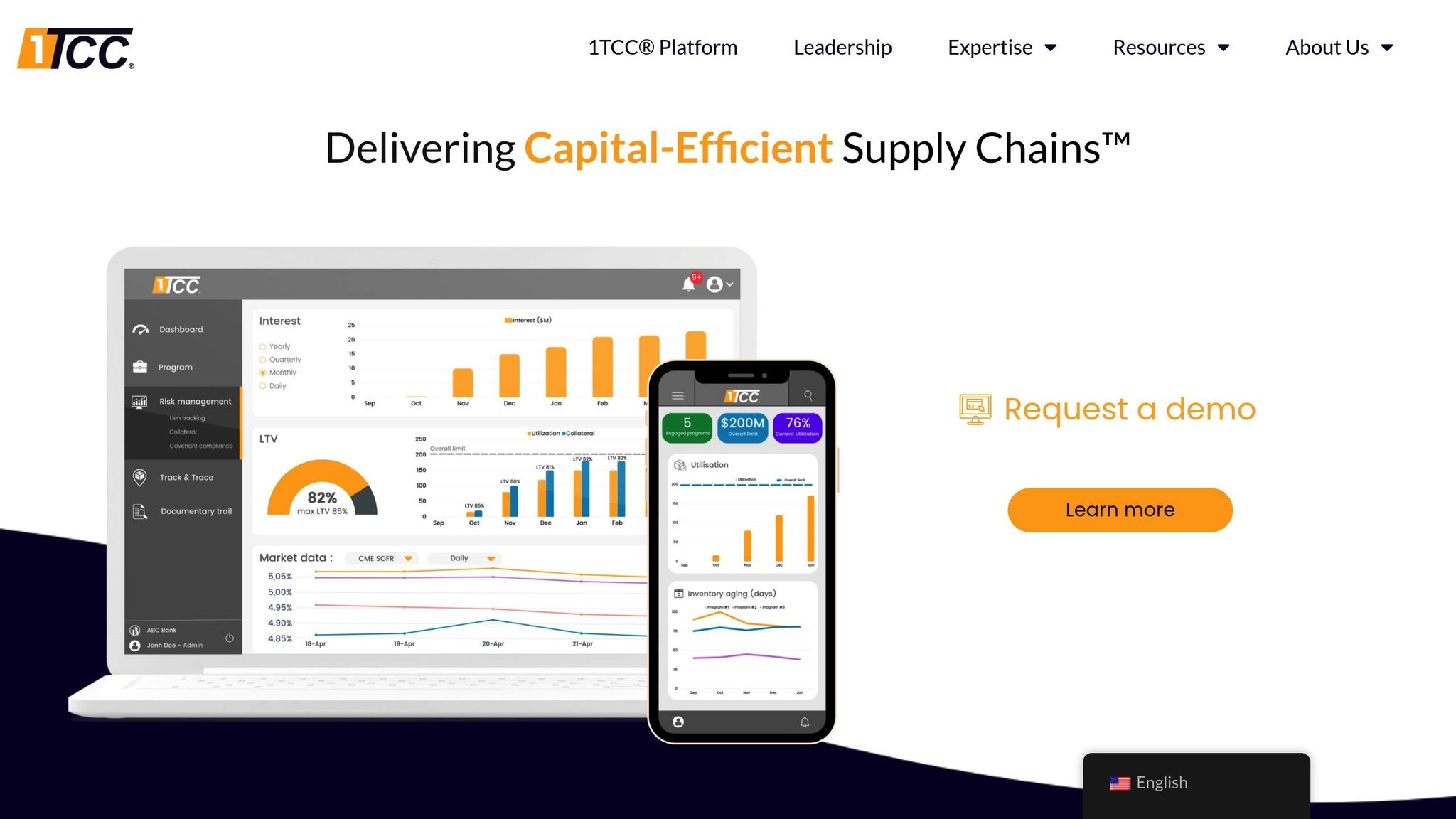
Supply Chain Financing and Tools for Risk Mitigation -- 1TCC® and ITFA Lunch and Learn Event
Common Supply Chain Risks in eCommerce
Running an eCommerce business comes with its fair share of supply chain challenges, many of which can quickly escalate into costly problems. Recognizing these risks is a crucial step in safeguarding your operations and ensuring steady growth.
Cash Flow Gaps and Payment Delays
Cash flow issues are one of the most immediate threats to eCommerce operations. Suppliers often demand timely payments, but payment processors can hold onto funds for extended periods, especially for newer businesses. On top of that, corporate transactions with long payment terms can add to the financial strain, making it harder to maintain good relationships with suppliers.
These cash flow gaps are further complicated by inventory shortages and unexpected supply chain disruptions, which can grind operations to a halt.
Inventory Shortages and Supply Chain Disruptions
Running out of stock doesn’t just mean lost sales - it can also damage customer trust. Seasonal demand spikes require businesses to invest heavily in inventory upfront, making accurate forecasting a must. If demand is underestimated, you risk missing out on peak sales periods. Overestimating, however, ties up cash in unsold inventory.
Supplier reliability is another factor that can disrupt operations. Delays in manufacturing, quality control issues, and shipping bottlenecks can leave you scrambling for alternatives - often at a higher cost. High minimum order quantities add another layer of complexity. While larger orders might save money per unit, they can also drain working capital and increase the risk of overstock.
Relying too much on suppliers from specific regions can also leave your business vulnerable to localized disruptions, whether it’s a natural disaster, labor strike, or regulatory shift.
Fraud and Documentation Errors
Fraud is a significant concern for eCommerce businesses, especially those processing high volumes of transactions. Payment fraud, including chargebacks, can lead to steep fees and even penalties from payment processors.
Supplier fraud is another risk to watch out for. Fake invoices or shipments that never arrive can lead to major financial losses and disrupt inventory planning. On top of that, documentation errors - like incorrect product descriptions, missing paperwork, or inaccurate shipping details - can cause delays, returns, and unhappy customers. Even a single mistake can throw off delivery schedules and rack up unexpected expenses.
Discrepancies in financial records add yet another challenge. They make it harder to track profits and cash flow accurately, complicating decisions about inventory purchases, pricing, or growth strategies. For businesses engaged in international transactions, currency fluctuations can further erode profit margins and disrupt consistent pricing for customers.
What makes these risks even more daunting is how interconnected they are. For example, fraud or documentation errors can lead to expensive, last-minute replacements, which further strain cash flow and inventory management. This highlights the importance of having strong financial solutions in place to navigate these challenges effectively.
How Supply Chain Financing Reduces Risk
Supply chain financing (SCF) tackles the financial challenges that can disrupt eCommerce operations by addressing cash flow and payment issues before they escalate. Instead of reacting to problems after they arise, SCF provides a solid financial framework to help businesses stay ahead of potential disruptions.
Closing Cash Flow Gaps
One of the most immediate advantages of supply chain financing is its ability to bridge cash flow gaps. Payment processors often hold funds, or corporate clients may extend payment terms to 60 or even 90 days. In these cases, businesses are left with tough choices: delay payments to suppliers - damaging relationships - or dip into reserves, which can hinder growth.
SCF allows businesses to access funds based on their sales, enabling them to pay suppliers promptly. This timely payment can encourage suppliers to offer more favorable terms or greater flexibility, which is particularly helpful during peak seasons when inventory needs spike.
For example, revenue-based financing solutions like those from Onramp Funds provide repayment options that adjust with sales performance. During slower periods, repayment amounts decrease, preserving cash flow and reducing the strain of fixed-payment loans. This consistent access to capital ensures smooth supplier operations, even during seasonal downturns.
Preventing Supplier Disruptions
Reliable funding doesn’t just fill cash gaps - it also stabilizes supplier operations. When suppliers are confident they’ll be paid on time, they can maintain steady production schedules and reserve capacity for your orders. This eliminates the need for costly last-minute arrangements, ensuring smoother operations and fewer surprises.
Access to consistent capital also allows businesses to diversify their supplier base. Working with multiple suppliers across different regions reduces the risk of relying too heavily on a single source. Additionally, regular payments can strengthen your negotiating position, making it easier to secure better payment terms, early payment discounts, or extended credit options.
Improving Transparency and Security
Modern supply chain financing platforms leverage automation and digital tools to address risks like fraud and documentation errors. By integrating directly with eCommerce systems, these platforms can verify transaction data in real time, ensuring discrepancies are caught and resolved early.
This level of transparency extends to financial reporting and cash flow forecasting. Businesses gain real-time insights into their financial health, enabling smarter decisions about inventory, pricing, and investments. Digital documentation also provides reliable audit trails, which are essential for regulatory compliance and resolving disputes.
Over time, verified transaction histories can strengthen partnerships and lead to improved financing terms, creating a more secure and efficient supply chain.
sbb-itb-d7b5115
Steps to Implement Supply Chain Financing in Your Business
Building a solid supply chain financing (SCF) framework requires careful planning and execution. Below, we’ve outlined a three-phase process to help you integrate SCF into your operations effectively.
Assess Your Cash Flow and Risks
Start by taking a close look at your cash flow and identifying potential vulnerabilities in your supply chain. A good starting point is analyzing your cash conversion cycle - the time it takes to turn inventory investment into cash from customer payments. This metric can vary significantly depending on your business model, especially in eCommerce.
Track your payment patterns over at least six months, paying attention to seasonal fluctuations. For instance, if you ramp up inventory in August to prepare for holiday sales but don’t receive full payment until January, calculate the exact dollar amount needed to bridge that gap. Knowing these figures can help you anticipate and address cash flow shortfalls before they disrupt operations.
Next, review your supplier relationships and payment terms. Determine how much working capital is tied up in inventory and identify suppliers offering early payment discounts. For example, some suppliers provide a 2–3% discount for payments made within 10 days instead of the standard 30 days. These discounts can add up significantly when applied across multiple suppliers.
Finally, consider platform-specific risks. If you sell on Amazon, you might face challenges like reserve funds and account health issues. Shopify merchants, on the other hand, could encounter payment processor holds during high-volume sales periods. Understanding these nuances will help you tailor your financing strategy to your business's unique needs.
Select the Right SCF Partner
Once you’ve assessed your cash flow needs, the next step is finding an SCF partner that fits your business. Look for providers who align with your operational requirements, focusing on factors like platform compatibility, repayment flexibility, and support quality.
For eCommerce businesses, revenue-based financing can be a game-changer. This type of financing adjusts repayments based on your sales performance. For example, Onramp Funds offers flexible financing where repayments fluctuate with your sales. This means lower payments during slow periods and higher payments when business is booming, helping you maintain a steady cash flow throughout seasonal cycles.
Speed and transparency are also critical. While traditional lenders may take weeks to process applications, specialized eCommerce financing platforms can often provide funds within 24 hours. Look for clear fee structures - typically ranging from 2% to 8% - to avoid surprises and ensure better financial planning.
Lastly, confirm you meet the minimum requirements. Many eCommerce-specific lenders cater to businesses generating at least $10,000 in monthly sales, making SCF accessible even for smaller operations.
Set Up SCF Tools and Track Performance
After choosing a financing partner, it’s time to implement tools that help you monitor and refine your SCF strategy. Connecting your eCommerce platform to your financing provider’s dashboard enables seamless data sharing and real-time performance tracking.
Automate reporting for key metrics like days sales outstanding and inventory turnover. This allows you to spot trends early and adjust your financing strategy as needed. For instance, if inventory turnover slows in specific categories, you can adapt your funding allocations to avoid overstocking.
Establish benchmarks using your historical data. Track metrics such as the time between funding requests and inventory restocking, supplier payment timing, and the impact of early payment discounts on your profit margins. These benchmarks will help you fine-tune your approach over time.
Incorporate cash flow forecasting tools into your workflow. Many eCommerce businesses rely on 13-week rolling forecasts to plan for seasonal spikes, inventory purchases, and financing needs. This proactive method helps you sidestep cash shortages and seize growth opportunities when they arise.
Best Practices for Reducing Risk with SCF
Managing supply chain financing (SCF) effectively goes beyond simply securing funds. The way you structure and oversee your SCF strategy can determine whether you’re just patching cash flow gaps or setting up a foundation for sustainable growth. Below are actionable practices to help you strengthen your SCF approach while minimizing risks.
Use Flexible Financing Options
Traditional loans with fixed repayments can be tough to manage during slow sales periods. Instead, consider financing solutions that adapt to your sales performance. For instance, revenue-based financing adjusts repayment amounts based on your sales volume. Companies like Onramp Funds offer this type of solution, allowing you to pay less during slower months and more when sales pick up. This flexibility helps maintain stable cash flow without adding undue stress.
The trick is to find financing that grows with your business. Look for providers with clear and upfront fee structures, and ensure you have access to various funding options - whether it’s revenue-based financing, early payment programs, or inventory financing. Having multiple options allows you to choose the most cost-effective solution for each unique scenario.
Maintain Strong Supplier Relationships
Your suppliers are more than just vendors - they’re critical partners in your business. Building strong, diverse supplier relationships can shield your operations from disruptions and even lead to better payment terms. Instead of relying heavily on a single supplier or region, aim to establish a network of primary and backup partners. This diversification reduces the risk of supply chain interruptions.
Regular communication is key. Schedule periodic business reviews to align on expectations and negotiate terms that work for both parties. Document everything in your agreements, from delivery schedules to quality benchmarks and payment terms, to avoid potential misunderstandings that could derail operations.
Review Financial and Business Data Regularly
Pairing flexible financing with robust supplier relationships is only part of the equation. Regularly reviewing your financial and operational data ensures your SCF strategy stays on track. For example, monitoring your cash conversion cycle - the time it takes to turn inventory into cash - can help you spot potential issues early.
Pay attention to inventory turnover rates by category and supplier, as holding onto excess inventory ties up capital unnecessarily. Automated alerts can be a lifesaver, notifying you when cash reserves hit critical levels or when inventory drops below reorder thresholds, so you can act quickly.
Rolling forecasts are another essential tool. Incorporate seasonal trends, upcoming marketing campaigns, and product launches into your projections. Regularly compare your SCF performance against expectations - such as actual costs versus projected savings - and review supplier payment timings. These insights will help you fine-tune your strategy and get the most value out of your financing efforts.
Conclusion: Using SCF for eCommerce Risk Management
Supply chain financing (SCF) has become a vital tool for managing risks in the fast-paced world of eCommerce. Throughout this guide, we've highlighted how SCF can help bridge cash flow gaps, address supplier delays, and mitigate issues like fraud or documentation errors that can disrupt operations.
The success of SCF lies in selecting the right approach. For instance, revenue-based financing stands out because it adjusts repayments based on your actual sales. This adaptability is especially helpful during seasonal sales spikes or unexpected market shifts - challenges that are all too common for online businesses. In contrast, fixed-payment loans can strain cash flow during slower periods, making them less ideal for businesses with fluctuating revenues.
Building a strong SCF strategy involves more than securing funding. It requires nurturing supplier relationships, diversifying sourcing options, and keeping a close eye on key financial metrics like cash conversion cycles and inventory turnover rates. Together, these practices help create a supply chain that can withstand disruptions and support steady business growth.
For eCommerce businesses ready to integrate SCF, platforms like Onramp Funds offer tailored solutions. They provide equity-free financing with flexible repayment options and support for major platforms such as Amazon, Shopify, and TikTok Shop. These features make them a go-to choice for modern online sellers.
Ultimately, SCF isn’t a one-time fix - it’s an ongoing strategy. Regularly evaluating your financing performance, supplier dynamics, and market conditions ensures your risk management approach stays effective and evolves with your business needs. By treating SCF as a long-term initiative, you can build a resilient foundation for sustained growth.
FAQs
How can supply chain financing help eCommerce businesses prepare for peak shopping seasons like Black Friday?
Supply chain financing gives eCommerce businesses the financial boost they need to prepare for busy shopping periods like Black Friday. By providing quick access to funds, it enables sellers to buy inventory in bulk at better prices, ensuring they can handle surges in customer demand without running out of stock or facing delays.
This type of financing bridges cash flow gaps that often come with higher order volumes. It helps businesses stay on track, deliver orders promptly, and keep customers happy during crucial sales seasons. Having this financial flexibility is key to maintaining operations and seizing peak sales opportunities.
What are the benefits of using Onramp Funds for supply chain financing compared to traditional loans?
Using Onramp Funds for supply chain financing comes with several clear benefits compared to traditional loans. For starters, funding decisions are made quickly - often within just 24 hours - and there’s no need to provide collateral or personal guarantees. This streamlined process means eCommerce businesses can secure the capital they need without unnecessary delays or complications, helping them stay on top of operations and take advantage of growth opportunities as they arise.
Another advantage is the flexible repayment terms. Instead of fixed monthly payments, repayments are tied to your sales performance. This approach is especially helpful during slower seasons or times of fluctuating revenue, as it reduces financial pressure. By aligning with the unpredictable nature of eCommerce, this revenue-based model supports consistent cash flow, making it easier to grow your business without unnecessary financial strain.
What should eCommerce businesses look for in a supply chain financing partner?
Choosing a supply chain financing partner is a critical step for eCommerce businesses aiming to maintain smooth cash flow and minimize risks. Start by assessing the partner's financial health, experience in the industry, and overall reputation. A reliable partner should have a history of transparency and dependability.
Additionally, choose a partner who truly understands the nuances of your business model. They should offer repayment options that adapt to your sales performance, ensuring flexibility as your business grows. The right financing partner will deliver quick, clear solutions that not only support your operations but also help you scale effectively while addressing the unique challenges of eCommerce.
Related Blog Posts
Onramp Funds
Funding built around your sales
Connect your store and see what you qualify for. Repay as a percentage of sales, with no personal credit check.
Funding in as little as 24 hours.
