

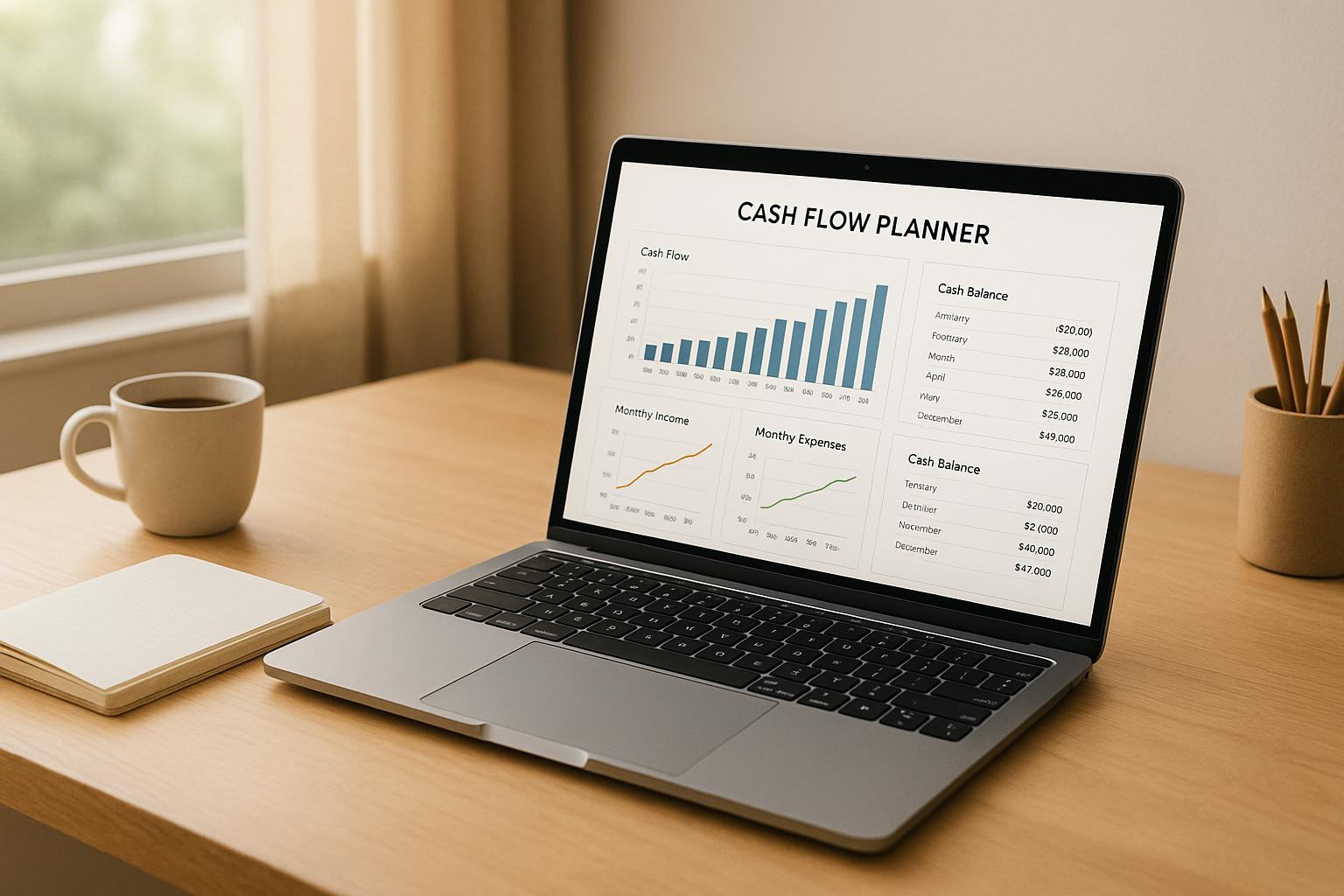
Plan Your eCommerce Future with an Online Store Financial Tool
Running an online business comes with its share of challenges, and managing money is often at the top of the list. For many eCommerce owners, unexpected cash shortages can disrupt operations, delay inventory orders, or even halt marketing campaigns. That’s where a reliable forecasting tool comes in handy. By mapping out your finances over several months, you can anticipate hurdles and make informed choices to keep your store thriving.
Why Forecasting Matters
A solid grasp of your financial health isn’t just about numbers—it’s about peace of mind. Using a digital planner to project your monthly balances lets you see potential pitfalls before they happen. Maybe you’ve got a big expense coming up, or a slow sales season is on the horizon. With this insight, you can adjust your strategy, whether that means tightening the budget or finding new revenue streams. It’s like having a roadmap for your business’s financial journey.
Take Control Today
Don’t leave your store’s success to chance. A tool designed for eCommerce budgeting can be the difference between scrambling for funds and confidently growing your brand. Plug in your numbers, review the results, and start planning for a stronger tomorrow.
FAQs
Why is cash flow forecasting important for my online store?
Cash flow is the lifeblood of any business, especially in eCommerce where inventory and shipping costs can add up fast. Forecasting helps you predict whether you’ll have enough money to cover expenses or if you might run short. With this insight, you can make smarter decisions—like delaying a big purchase or ramping up sales efforts—before a problem hits. Think of it as a financial crystal ball tailored to your store.
What should I do if the tool shows a negative balance?
Seeing a negative balance in your forecast is a red flag, but it’s also a chance to act early. Start by reviewing your expenses—can you cut back on non-essential costs for a month or two? You might also look at ways to boost revenue, like running a promotion or clearing out old stock. If the shortfall is big, consider a short-term loan or line of credit to bridge the gap, but plan how you’ll repay it to avoid deeper issues.
Can I trust the accuracy of this cash flow planner?
Absolutely, as long as you input realistic numbers. This tool uses straightforward math—adding revenue and subtracting expenses from your starting balance each month—to project your cash position. It’s precise to two decimal places and flags any negative balances so you’re not caught off guard. Of course, it’s only as good as the data you provide, so try to base your revenue and expense estimates on past performance or solid research.
Onramp Funds
Funding built around your sales
Connect your store and see what you qualify for. Repay as a percentage of sales, with no personal credit check.
Funding in as little as 24 hours.
