

Managing inventory effectively can be the difference between profit and financial strain in eCommerce. Poor inventory practices lead to overstocking, stockouts, and wasted resources, costing businesses billions annually. Inventory software solves these problems by automating processes, optimizing stock levels, and reducing errors.
Here’s what you need to know:
- Overstocking and stockouts: These issues cost eCommerce businesses $818 billion yearly. Software helps maintain ideal stock levels to avoid tying up cash or losing sales.
- Automation: Real-time tracking and automated reordering reduce manual errors, labor costs, and fulfillment delays.
- Cost savings: Features like demand forecasting and order routing lower storage, shipping, and handling expenses.
- Scalability: Cloud-based solutions grow with your business, eliminating the need for costly infrastructure upgrades.
- Customer satisfaction: Accurate stock data prevents overselling, improves order fulfillment, and reduces returns, boosting loyalty and repeat purchases.
Reducing Operational Costs with Inventory Software
Automating Inventory Tracking and Management
Managing inventory manually can be a real drain on resources. Between time-intensive physical counts and the risk of errors from manual spreadsheets, it’s not just inefficient - it’s costly. Inventory software changes the game by offering real-time visibility into stock levels across all sales channels[4]. This means employees can shift their focus to more strategic, value-driven tasks, which helps cut down on labor costs.
Automation also tackles one of the biggest pain points: human error. Mistakes like incorrect stock counts, overselling, or placing unnecessary orders can add up fast[2]. With features like inventory accuracy reports, the software compares physical stock with system records to flag discrepancies. This proactive approach minimizes expensive errors, whether it’s the cost of overstocking or the missed opportunities of understocking. By replacing manual workflows with reliable automation, businesses can turn a historically error-prone process into a streamlined, cost-effective operation.
And it doesn’t stop there - automation also connects seamlessly with other parts of the business, driving even more savings.
Connecting with Warehouse and Fulfillment Systems
The benefits of automation extend further when inventory software integrates with warehouse and fulfillment systems. This connectivity eliminates inefficiencies and directly impacts operational costs.
Take wave picking as an example. Instead of workers zigzagging across the warehouse to pick individual orders, inventory software organizes tasks to minimize travel time[2]. This approach not only boosts efficiency but also lowers the per-unit cost of fulfillment.
Other features, like batch order processing and automated order routing, further simplify operations. For instance, when a customer places an order on platforms like Shopify or Amazon, the system automatically routes it to the most efficient fulfillment center based on inventory levels and shipping logistics[3]. This real-time synchronization across multiple channels and warehouses ensures accurate stock counts and smooth operations.
Integration doesn’t stop there. By connecting with third-party logistics providers and shipping systems, the software creates full visibility across the fulfillment pipeline. This eliminates redundant processes and reduces communication delays[2]. The result? Fewer oversells, fewer stockouts, and lower costs associated with returns, refunds, and customer service issues. Plus, customers enjoy a smoother shopping experience, which can lead to greater loyalty and repeat business[4].
With these streamlined processes in place, businesses can see real, measurable cost savings.
Measuring Cost Savings
To truly understand the financial benefits of inventory software, tracking the right metrics is essential. Stock performance reports, for example, help businesses monitor inventory turnover, fulfillment rates, and how often stockouts occur[2]. Cost analysis reports provide insight into holding, ordering, and stockout expenses, making it easier to pinpoint savings in areas like labor, warehouse space, and carrying costs. Real-time data on inventory movements also allows companies to fine-tune their operations and confirm measurable results.
Real-world examples back this up. Businesses that track key performance indicators - like inventory turnover ratios, days sales of inventory, and gross margin return on investment - can directly tie inventory improvements to their financial goals. These metrics not only highlight cost reductions but also justify the investment in inventory software.
For growing businesses, cloud-based inventory solutions offer even more savings. By eliminating the need for costly server infrastructure, IT maintenance, and traditional software licensing fees, these systems keep overhead low[3]. Automatic updates and security patches ensure smooth operations without additional costs. As order volumes grow, companies can scale up efficiently without needing to hire more staff, which directly boosts profit margins[2].
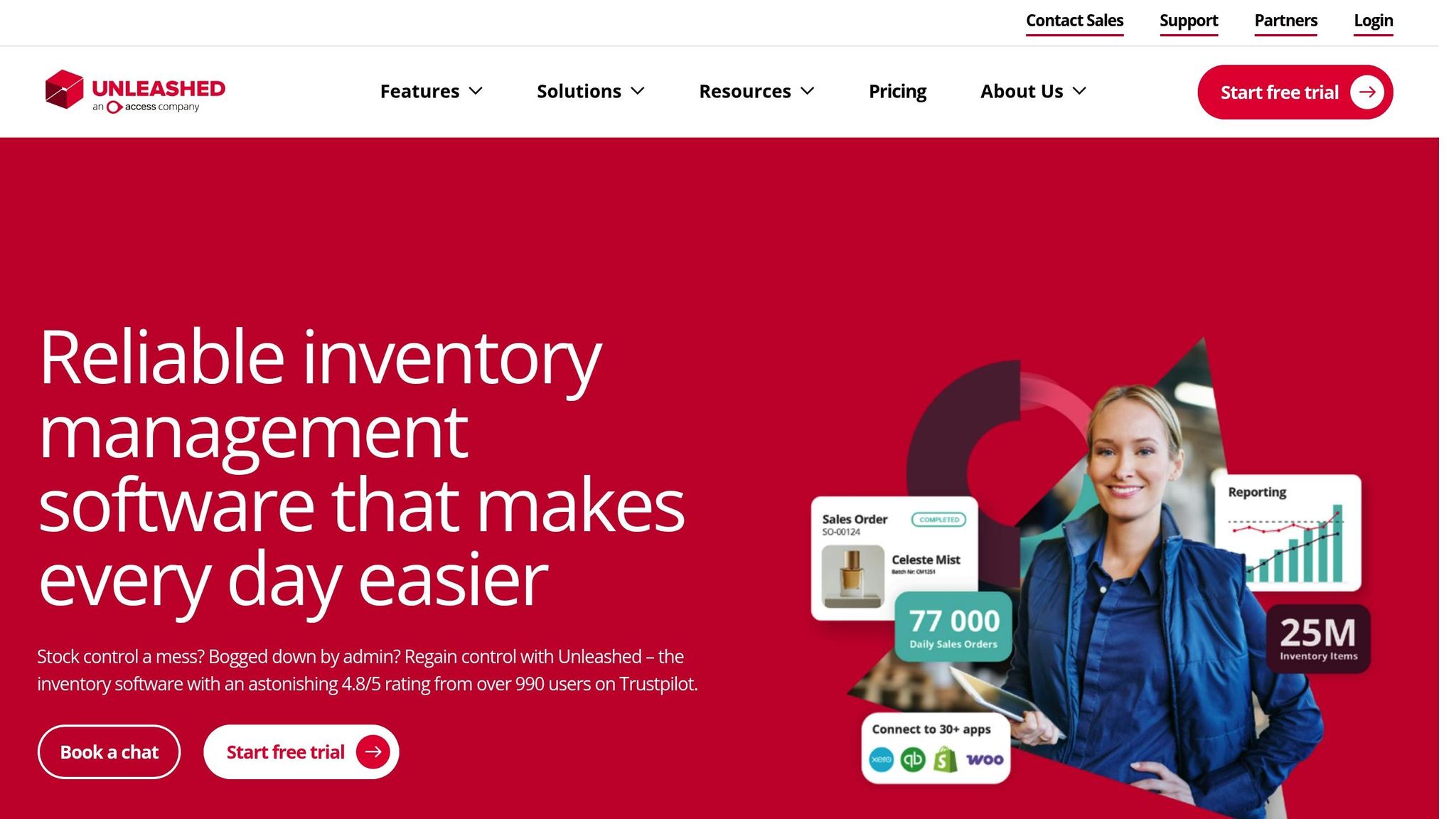
Inventory Software That Makes Every Day Easier: Meet Unleashed
Optimizing Stock Levels to Minimize Waste
Building on the benefits of automated cost reductions, fine-tuning your stock levels is another key strategy for protecting your profit margins.
Reducing Excess Inventory and Carrying Costs
Keeping inventory at the right levels is essential to maintaining healthy margins. Inventory management software makes this easier by analyzing past sales data and customer behavior to predict future demand with accuracy[4]. Instead of relying on guesswork, the software considers factors like seasonal trends, sales patterns, and purchasing habits to determine what customers are likely to buy.
By aligning stock levels with actual demand, you can avoid the pitfalls of overstocking. Excess inventory brings a host of expenses: higher warehouse costs, increased insurance premiums, added labor for managing unsold goods, and potential losses from markdowns or expired products[6].
Inventory software addresses these problems by helping you maintain leaner stock levels without risking shortages. Advanced forecasting tools identify which products sell quickly and which don’t, enabling smarter purchasing decisions[2]. This reduces the amount of money tied up in unsold inventory, freeing up resources for other growth opportunities.
Additionally, the software tracks inventory movement and generates detailed reports, making it easier to spot slow-moving items before they become a burden. This proactive approach allows you to take action - whether it’s running promotions, bundling items with better-selling products, or discontinuing underperformers - to cut waste and lower carrying costs[2].
Preventing Stockouts and Lost Sales
While overstocking drains your resources, understocking creates a different problem: missed sales and unhappy customers. Inventory issues cost eCommerce businesses a staggering $818 billion annually, with 56% of that loss due to stockouts and 44% from overstock[9]. That’s a huge amount of revenue slipping away just because products aren’t available when customers want them.
Inventory management software helps prevent stockouts by monitoring stock levels in real-time across all your sales channels[3]. If inventory drops below a set threshold, the system sends alerts or even triggers purchase orders automatically, ensuring popular items stay in stock without constant manual intervention.
Real-time synchronization across platforms like Shopify, Amazon, and your website also prevents overselling - a common issue when inventory isn’t updated consistently[3]. The software can even allocate stock strategically, directing it to the channels where demand is highest, so you don’t run out in one place while sitting on excess in another[10].
By keeping shelves stocked with the right products, you not only capture more sales but also strengthen customer loyalty. Every time a customer finds what they need, it’s a win for both your revenue and your reputation. Plus, maintaining optimal stock levels can improve cash flow, giving you more flexibility to reinvest in your business.
Improving the Cash Conversion Cycle
The faster you can turn inventory into cash, the better your business operates. A quicker inventory turnover means less money tied up in unsold products, which translates to improved cash flow[2]. Optimizing stock levels helps accelerate this process, freeing up working capital for initiatives like marketing, new products, or operational upgrades.
With inventory software, you can order only what’s needed, exactly when it’s needed[4]. This minimizes storage time and speeds up revenue generation. When paired with automated systems, these strategies create a seamless process for converting stock into cash more efficiently. Better cash flow can have a ripple effect: you can negotiate early payment discounts with suppliers, reduce reliance on loans, and keep more equity in your business.
The software also tracks key metrics crucial to cash flow management. For instance, monitoring your inventory turnover ratio helps you understand how often you sell and replace stock. Metrics like Days Sales of Inventory (DSI) and Gross Margin Return on Investment (GMROI) provide deeper insights into which products are driving profitability. Armed with this data, you can make smarter decisions about where to invest and where to cut back[5][2].
For growing eCommerce brands, improving cash flow through inventory optimization can be a game-changer. If upfront costs for inventory software feel like a hurdle, flexible financing options can help. For example, Onramp Funds (https://onrampfunds.com) offers solutions tailored to eCommerce businesses, allowing you to invest in technology now and repay based on sales performance. This ensures that every dollar spent on inventory works harder to generate returns.
Improving Accuracy and Reducing Returns
Refining order accuracy is a smart way to protect profit margins while keeping customers happy. Mistakes like return shipping, restocking, refunds, and reshipments can pile up quickly, especially for businesses handling hundreds or thousands of orders. These errors not only hurt your bottom line but also risk damaging customer trust.
Improving Order Fulfillment Accuracy
Relying on manual inventory tracking is like inviting errors into your operations. Every step becomes a potential misstep, leading to unhappy customers, lost sales, and unnecessary costs. That’s where inventory management software steps in to save the day.
By automating data updates and eliminating manual entry, this software ensures accuracy at every stage. Barcode scanning during picking and packing adds another layer of precision, instantly verifying the correct items are selected before they leave the warehouse.
With real-time stock visibility, your team always knows what’s available and where it’s located. The system reserves the correct stock as soon as an order is placed, preventing issues like overselling or last-minute substitutions. This synchronization across different sales channels and warehouses ensures inventory data stays consistent everywhere.
Barcoding and automated warehouse systems further enhance accuracy and efficiency. Instead of relying on memory or scribbled notes, staff use scanners to track items throughout the fulfillment process. This digital trail confirms everything is handled correctly, reduces unnecessary movement in the warehouse, and minimizes the chance of damage during handling.
When fulfillment partners have access to accurate, up-to-date inventory data, they’re less likely to make picking mistakes or face shipping delays. The result? Fewer refunds, fewer returns, and happier customers.
Reducing Refund and Return Costs
Accurate order fulfillment directly reduces return rates and refund expenses. When customers receive exactly what they ordered, there’s no need for returns - saving you the costs of shipping items back, processing refunds, and restocking. For businesses handling large order volumes, these savings add up quickly.
Quality control is another crucial factor. Inventory lifecycle management tools monitor products from the moment they arrive to the point of sale, keeping an eye out for damage, expiration, or deterioration. Features like serial and batch tracking ensure compromised items are flagged and removed before they reach customers.
By catching discrepancies early, you can investigate and address root causes - whether it’s a miscount or a data entry error - before they lead to costly returns. Inventory accuracy reports comparing physical counts with system records can also highlight problem areas, helping you fix bottlenecks or handling issues that might increase return rates.
Real-time tracking across multiple channels and locations reduces the risk of selling items that aren’t actually in stock, avoiding the need for refunds or expensive alternative shipping solutions. Better quality control and fewer returns not only save money but also improve customer satisfaction, encouraging repeat business.
Increasing Customer Loyalty and Repeat Purchases
When customers receive their orders accurately and on time, it builds trust. This reliability fosters loyalty, turning satisfied customers into repeat buyers and even brand advocates. The result? Steady revenue growth without the high costs of constantly acquiring new customers.
Inventory software plays a key role here by speeding up fulfillment processes and cutting down on delays. Quick, accurate deliveries lead to positive reviews, word-of-mouth recommendations, and more repeat purchases.
Accurate product information and stock availability also enhance the buying experience. When customers know they can trust your listings and receive what they order, they’re more likely to shop with you again. This reliability gives you a competitive edge, boosting profitability and increasing the lifetime value of your customers.
Tracking performance metrics like return rates, customer satisfaction, and repeat purchase rates can help you measure the impact of improved accuracy. Comparing costs like return shipping, refunds, and restocking before and after implementing inventory software highlights the financial gains. Plus, better inventory management reduces overstocking, speeds up cash flow, and strengthens your profit margins.
sbb-itb-d7b5115
Scaling Operations Without Hurting Margins
Growth is exciting, but it can come with a price if your operations aren’t ready to handle it. When order volumes surge during peak seasons or as you expand into new markets, outdated systems can drive up costs. Manual processes that work fine for 50 orders a day quickly become roadblocks at 500, leading to more hires, extra warehouse space, and a rise in errors.
This is where inventory management software steps in. The right tools allow you to scale smartly, keeping costs under control even as your business grows. Instead of expenses climbing alongside order volumes, technology helps you handle more orders efficiently. This approach builds on earlier cost-saving strategies, ensuring your margins stay intact during periods of growth.
Managing Higher Order Volumes Efficiently
When your order volume doubles or triples, your costs don’t have to follow suit. Inventory management software automates workflows, cutting down the need for additional staff and time. This efficiency directly supports the margin optimization strategies we’ve already discussed.
For example, the software can process multiple orders at once, significantly reducing processing times. During peak seasons like Black Friday or the holidays, this means you can handle hundreds - or even thousands - of orders with the same team that previously managed far fewer.
Automated order routing makes things even smoother by directing orders to the best fulfillment location without manual effort. The system evaluates inventory across warehouses and assigns orders to minimize shipping costs and delivery times. This intelligent routing prevents the chaos of manual assignment and keeps fulfillment costs in check as your business scales.
Real-time inventory tracking across multiple locations eliminates the guesswork that can slow down operations. When a customer places an order, the system instantly reserves the stock and updates availability across all sales channels. This synchronization prevents overselling, an issue that costs eCommerce businesses $818 billion annually - 56% due to stockouts and 44% from overstocking[9].
The time savings are substantial. Businesses using inventory software can complete warehouse tasks in about one-quarter of the time compared to manual methods[8]. This efficiency means you can handle four times the order volume without quadrupling your labor costs, protecting your margins as you grow.
Automation also keeps inventory flowing smoothly. Features like low-stock alerts and automatic purchase order generation track sales velocity and reorder stock as needed. This prevents stockouts that lose sales and avoids costly emergency reorders with expedited shipping.
Cloud-Based Solutions for Flexibility
Cloud-based inventory management systems offer unique advantages when scaling operations. Perhaps the biggest benefit is the ability to grow without heavy infrastructure investments. Whether you’re adding product lines, entering new markets, or opening more warehouses, cloud solutions expand effortlessly - no need for new servers, IT maintenance, or downtime.
Centralized cloud data makes managing multiple warehouses easier. Your entire team can access real-time inventory updates from a single platform, no matter where they’re located. This is invaluable when you’re juggling inventory across multiple fulfillment centers and sales channels.
Cloud pricing is another plus. Instead of a large upfront cost, you pay based on your current needs, freeing up cash flow for other priorities like inventory or marketing. This flexibility aligns with earlier cost-saving measures, allowing you to allocate resources more effectively.
Remote collaboration also becomes seamless. Teams in different locations can coordinate operations efficiently, accessing live inventory data and processing orders from anywhere. This is especially helpful when scaling requires distributed teams or partnerships with third-party logistics providers.
Cloud platforms integrate easily with major eCommerce platforms like Amazon FBA, Shopify, Walmart Marketplace, BigCommerce, WooCommerce, Squarespace, and TikTok Shop[8]. These integrations let you expand to new sales channels without the hassle of creating custom connections or managing separate systems.
Maintaining Consistent Processes During Growth
As your business scales, maintaining consistent operations becomes challenging but essential for protecting margins. Inventory software ensures standardized workflows across all operations, keeping efficiency and accuracy high whether you’re processing 100 orders or 10,000.
Automated workflows synchronize product details, prices, and stock levels across all sales channels in real time[10]. This prevents costly errors like overselling, duplicate orders, or incorrect pricing. For instance, updating a product price or stock count in one place automatically updates it everywhere, eliminating the need for manual adjustments.
Standardized procedures for order processing, inventory tracking, and fulfillment reduce errors that can drive up costs. Automation ensures every order follows the same verified process, no matter who handles it or which warehouse fulfills it. This consistency helped one beauty retailer achieve an 8% boost in gross margins by aligning inventory levels with demand using demand-planning software[5].
Streamlined processes also make onboarding new staff quicker. Instead of lengthy training on complex manual tasks, new hires learn a straightforward system that guides them through each step. This allows you to add team members during growth phases without sacrificing quality or increasing errors.
Audit trails provide valuable insights into your operations. You can pinpoint where orders slow down, identify problematic products, and address errors before they escalate into costly issues.
Dynamic reorder points, which adjust based on stock levels and sales velocity, help maintain optimal inventory levels as demand changes[8]. This prevents stockouts during busy periods and avoids excess inventory during slower times, keeping your cash flow steady.
Finally, integrating inventory software with accounting systems gives you real-time profitability data[7]. You can instantly see how growth impacts your margins, identify your most profitable products, and track rising operational costs. This visibility supports smarter decisions about pricing, inventory, and investments as your business scales. By automating and standardizing processes, you can protect your margins while navigating growth.
Funding Inventory Software Implementation
Once you've identified the operational savings potential, the next step is figuring out how to fund your inventory software. This type of investment can lead to reduced waste, lower costs, and improved profit margins. But let’s face it - those upfront expenses can feel daunting, especially if cash flow is tight. The key is finding a way to finance this without putting unnecessary strain on your business.
Understanding the Costs of Technology Investments
The price tag for inventory software can vary a lot depending on the size of your business and the features you need. For smaller to mid-sized businesses, cloud-based solutions typically range from $50 to $500 per month. Larger, enterprise-level systems can run into the thousands annually. And don’t forget to budget for extras like integration, data migration, and team training.
While these costs may seem steep, the return on investment often makes it worthwhile. Many businesses quickly see payback through efficiency improvements. For instance, expenses to consider include:
- Software licensing fees
- Integration costs with platforms like Amazon, Shopify, or Walmart Marketplace
- Data migration and setup
- Training for your team
- Ongoing maintenance and updates
These upfront costs are offset by long-term savings. Think fewer errors, optimized stock levels, faster order processing, and reduced labor costs. Plus, consider this: inventory distortion costs eCommerce businesses a staggering $818 billion annually - split between stockouts (56%) and overstock (44%) [9]. Even a small reduction in these losses can significantly boost your bottom line.
Flexible Financing Options for eCommerce Businesses
Traditional bank loans often don’t align with the revenue cycles of eCommerce businesses. Fixed monthly payments can be tough to manage when sales fluctuate due to seasonal trends, promotions, or market shifts. This is where revenue-based financing comes in - it’s a more flexible option tailored to how eCommerce businesses actually operate.
With revenue-based financing, repayments are tied to your sales. When your revenue is high, you pay more; when it’s low, you pay less. This structure reduces the pressure of fixed debt payments and allows you to invest in growth tools like inventory software without overextending your cash flow.
Onramp Funds (https://onrampfunds.com) is one example of a platform offering this type of financing. They provide equity-free funding for eCommerce sellers, supporting major marketplaces like Amazon, Shopify, BigCommerce, Walmart Marketplace, and TikTok Shop. With funding available in under 24 hours, you can start implementing inventory software right away - without giving up ownership of your business.
"Onramp offered the perfect solution with revenue-based financing to secure the capital we needed to invest in inventory and pay it back at a reasonable time frame once we made sales. The process was quick, easy, and the support was great."
– Jeremy, Founder and Owner of Kindfolk Yoga
The numbers speak for themselves. Onramp Funds has facilitated over 3,000 eCommerce loans, with businesses experiencing an average of 55% revenue growth within 180 days of funding [1]. Even more compelling, 56% of customers borrow again [1], showing that this model works for businesses looking to scale. Fees typically range from 2% to 8% of the funded amount, with no hidden costs. Unlike equity financing, you retain full control of your business while accessing the capital you need.
Balancing Cash Flow and Growth Investments
The real challenge isn’t just finding the money to invest in inventory software - it’s doing so without disrupting your ability to manage daily operations, purchase inventory, or run marketing campaigns. This is where strategic planning comes into play.
Start by calculating the expected ROI of your software investment. Look at metrics like inventory turnover, carrying cost reductions, stockout prevention, and labor savings. For instance, if the software prevents $10,000 in lost sales each quarter due to stockouts and reduces carrying costs by 15%, you’ll have a clear framework to evaluate financing options.
Cloud-based solutions are particularly helpful for managing cash flow. Instead of a hefty upfront cost, you pay as you go, scaling up as your business grows. This approach allows you to preserve funds for other critical areas like inventory and marketing, while still benefiting from automation and analytics.
"Onramp has simplified cash flow by automating everything: easy to request, set it and forget it payments - quick and fast!"
– Torrie V., Founder and Owner of Torrie's Natural
Consider rolling out the software in phases. Start with essential features like real-time inventory tracking and multi-channel synchronization. As cash flow improves and you see returns, you can gradually add more advanced functionality. This phased approach lets you reap immediate benefits without overextending your budget.
Over time, the benefits of inventory software compound. Better demand forecasting becomes more accurate as the system collects sales data. Automation allows you to handle more orders without increasing labor costs. Improved order accuracy leads to happier customers and repeat purchases. All of these gains make it easier to repay financing while boosting efficiency.
When choosing a financing option, look for terms that fit your business’s revenue patterns. Revenue-based financing is especially effective for eCommerce businesses because it adjusts to your sales performance. You’ll pay more during busy seasons and less during quieter periods, ensuring you always have cash available for essentials like inventory restocking and marketing campaigns.
Conclusion
This guide has explored how leveraging technology in inventory management can streamline operations and safeguard profit margins. Investing in inventory software can transform your processes, reducing manual errors, fine-tuning stock levels, and automating repetitive tasks. The result? Inventory becomes a key driver of profitability, not just a logistical necessity[5].
We also highlighted how inventory distortions can severely impact margins. Even recovering a small portion of these losses can lead to noticeable financial improvements.
Key Takeaways for eCommerce Businesses
From operational efficiency to financial benefits, here are some critical points to consider. Real-time tracking helps eliminate costly fulfillment errors and avoids overselling, while automated replenishment ensures optimal stock levels. This reduces carrying costs and prevents lost sales caused by stockouts. Multi-channel integration provides accurate inventory visibility across platforms like Amazon, Shopify, and Walmart Marketplace, cutting down on manual processes as your business scales.
Cloud-based inventory solutions offer the flexibility to handle growing order volumes without sacrificing margins. Whether you're expanding into new markets or adding product lines, these tools adapt effortlessly, ensuring smooth operations and reliable insights.
Accurate order fulfillment not only minimizes errors and returns but also builds customer loyalty. Faster fulfillment speeds up your cash conversion cycle, freeing up funds that might otherwise sit in unsold stock. Combined with lower warehouse and labor costs, these improvements directly contribute to healthier profit margins.
Next Steps for Implementing Inventory Solutions
To turn these insights into actionable results, follow these steps:
- Evaluate your current inventory processes. Identify areas where you're overspending - whether it's on manual labor, excess warehouse space, or lost sales due to stockouts. Look for patterns like peak season shortages or overstocked items tying up cash.
- Set clear goals for your software implementation. Determine whether your priority is cutting costs, reducing stockouts, improving accuracy across sales channels, or scaling efficiently. These objectives will help you choose the right features.
- Find software that integrates seamlessly with your eCommerce platforms. Look for systems offering robust reporting tools that connect inventory data to your financial goals[5]. Establish key metrics such as inventory turnover ratio, days sales of inventory, and gross margin return on investment to track improvements[5].
- Explore financing options if needed. Revenue-based financing solutions, like those from Onramp Funds, can help you implement software without putting undue strain on your cash flow. These options align repayment schedules with sales performance, ensuring you can maintain liquidity for essentials like inventory restocking and marketing.
A phased rollout strategy can ease the transition. Start with foundational features like real-time tracking and multi-channel synchronization. As you see improvements in cash flow and operational efficiency, gradually introduce more advanced capabilities. This approach ensures immediate benefits while minimizing disruption to your team.
FAQs
How can inventory management software help eCommerce businesses cut costs?
Inventory management software is a game-changer for eCommerce businesses, helping them cut costs by simplifying operations and reducing unnecessary waste. With real-time insights into stock levels, sales patterns, and demand forecasts, it ensures you're buying just what’s needed - avoiding both overstocking and running out of bestsellers.
On top of that, automation takes the pressure off manual processes, cutting down on errors and freeing up valuable time. This means businesses can shift their focus to growth, all while keeping operational expenses in check. The result? Healthier profit margins and a much smoother workflow.
How does integrating inventory software with warehouse and fulfillment systems benefit my business?
Integrating inventory software with your warehouse and fulfillment systems can make your operations run smoother, cut down on mistakes, and boost efficiency. By syncing real-time inventory data across all systems, you can avoid stockouts, prevent overstocking, and ensure orders are fulfilled accurately.
This kind of integration also helps trim operational costs by automating repetitive tasks and improving how inventory is tracked. With a clearer view of your stock levels, you can make smarter purchasing decisions, reduce waste, and improve your profit margins.
How can eCommerce businesses afford inventory software without impacting cash flow?
eCommerce businesses have the option to tap into tailored funding solutions, such as those offered by Onramp Funds, to invest in tools like inventory software without putting unnecessary pressure on their cash flow. These financing options are quick, require no equity, and are specifically crafted for sellers. Plus, repayment is flexible, tied to a percentage of sales.
This setup empowers businesses to expand operations, maintain healthy cash flow, and invest in essentials like inventory management tools or marketing efforts - all while ensuring repayments align with their revenue stream.
Related Blog Posts
Onramp Funds
Funding built around your sales
Connect your store and see what you qualify for. Repay as a percentage of sales, with no personal credit check.
Funding in as little as 24 hours.
