

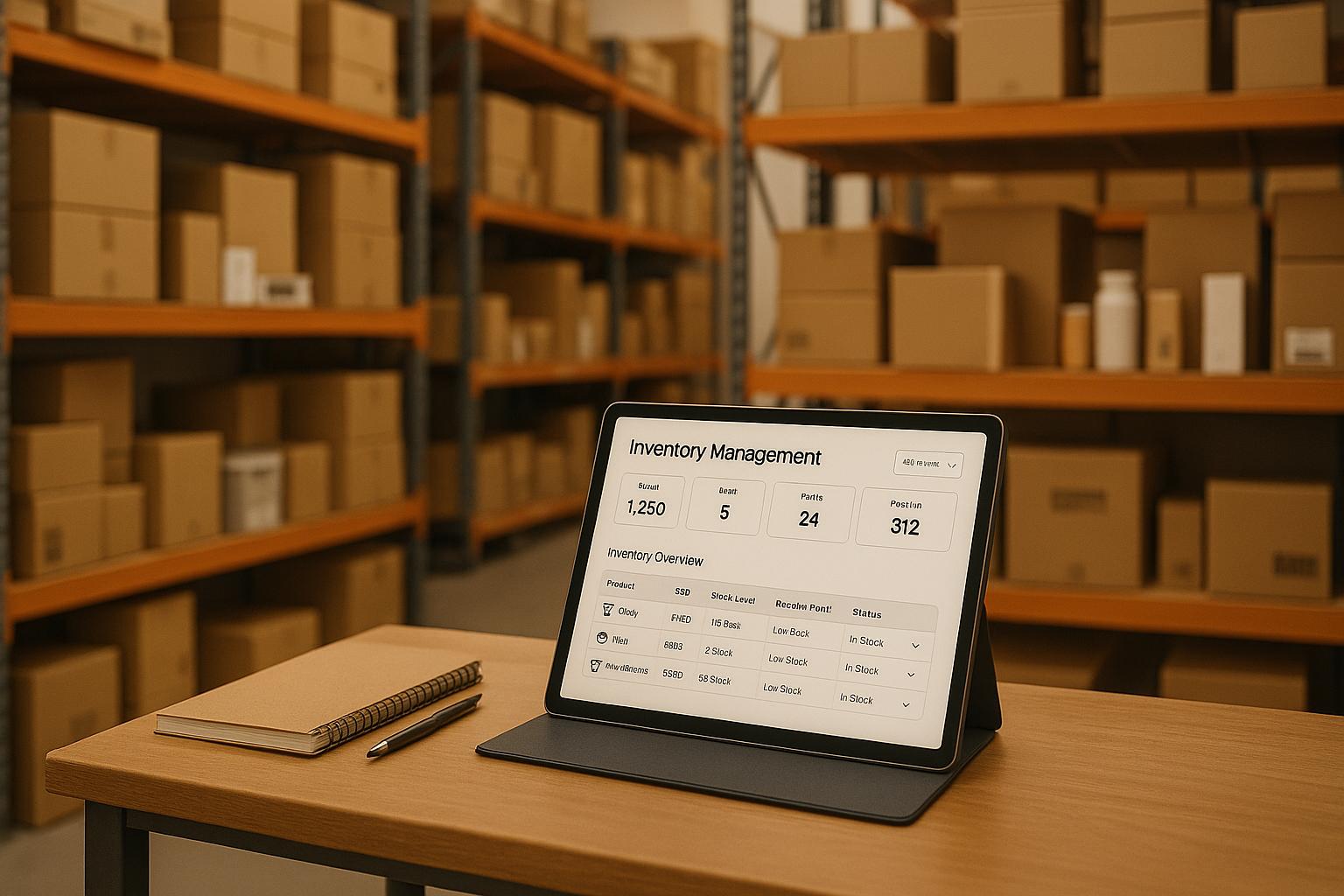
Managing inventory is critical for small-to-medium eCommerce businesses aiming to grow sustainably while minimizing risks. Whether you sell on Amazon, Shopify, or Walmart, an effective inventory management system is the backbone of smooth operations, better cash flow, and long-term growth. This article breaks down the essentials of inventory management, explaining its importance, types of inventory, tools available, and actionable strategies to help you scale your eCommerce business with confidence.
Why Inventory Management Matters
At its core, inventory management involves tracking, organizing, and controlling the products you keep in stock to operate your business. For eCommerce retailers, inventory management is not just about knowing what you have - it’s about forecasting demand, reducing waste, and ensuring customer satisfaction. Poor inventory management can lead to stockouts, overstocking, missed sales opportunities, and even financial losses.
A well-implemented inventory system ensures:
- Products are always available for customers.
- You avoid tying up cash in items that don’t sell.
- Your business can respond to market demand quickly.
- Operational efficiency, even when you’re not physically present.
Types of Inventory eCommerce Sellers Should Know
Understanding the different types of inventory is crucial for categorizing your stock and streamlining operations. Each type plays a unique role in your supply chain:
1. Raw Materials
If you manufacture your products, raw materials are the basic components needed for production. For example, if you sell handmade soap, your raw materials might include oils, fragrances, and lye. Keeping track of quantities helps you forecast production needs and prevent delays.
2. Work-in-Progress (WIP)
These are goods that are partially completed but not yet ready for sale. For instance, half-made furniture or soap that hasn’t been cut into bars yet falls under this category. Tracking WIP inventory ensures smoother production timelines and avoids bottlenecks.
3. Finished Goods
These are the products ready for sale. For an Amazon seller, finished goods might include packaged skincare products or pre-assembled electronics. Keeping accurate records helps you avoid stockouts and keeps customers happy.
4. Maintenance, Repair, and Operations (MRO)
This includes tools and equipment used for day-to-day operations but not directly sold to customers, like gloves, cleaning supplies, or repair tools. Tracking MRO inventory prevents operational hiccups caused by missing essential items.
sbb-itb-d7b5115
The Tools of the Trade: How to Track Inventory
When it comes to managing inventory, efficiency is key. While some business owners still rely on Microsoft Excel for inventory tracking, modern tools provide far more flexibility and automation.
Basic Inventory Tracking with Excel
If you’re just starting out, Excel can be a great entry point. Here are some essential columns to include in your inventory spreadsheet:
- Product Name: To identify items clearly.
- Quantity Received: Total stock brought in.
- Quantity Sold: Units sold over time.
- Remaining Stock: What’s left in inventory.
- Expiration Date: Essential for perishable goods.
- Notes: For damaged items or unique observations.
However, as your business grows, Excel can become cumbersome. That’s where dedicated inventory management apps step in.
Free and Paid Inventory Management Tools
Free Tools
These tools simplify inventory management by automating calculations, tracking stock levels, and even providing profit estimates. However, free versions may have limitations, like caps on the number of products you can track or missing advanced forecasting features.
Paid Tools
Paid tools offer robust features such as annual profit tracking, unlimited product entries, and more detailed analytics. For businesses scaling up, investing in paid inventory software can significantly streamline operations and reduce manual errors.
Benefits of Effective Inventory Management
The video emphasized several benefits of maintaining proper inventory management systems. Let’s explore why this practice is transformative for eCommerce entrepreneurs:
1. Good Inventory = Good Business
Proper inventory ensures transparency in your business. Knowing exactly what’s in stock allows you to confidently delegate tasks, make informed decisions, and hold employees accountable.
2. Smart Stocking Leads to Better Cash Flow
Tracking inventory helps you reduce overstocking while ensuring you have enough of what customers demand. For example, if a product isn’t selling, your app alerts you to focus on restocking higher-demand items.
3. Happy Customers, Happy Business
Stockouts erode trust. With inventory tracking, you can ensure that hot-selling products are always available, keeping customers coming back.
4. Minimized Waste and Loss
Inventory systems help prevent losses due to:
- Expiry: Automated alerts notify you of products nearing expiration.
- Damage or Theft: By tracking stock levels, you can identify discrepancies early.
5. Data-Driven Decision-Making
Historical inventory data reveals trends - what sells during which season - helping you prepare smarter product portfolios for the future.
6. Reduced Storage Costs
By analyzing slow-moving items, you can avoid overstocking and reduce warehouse costs, freeing up space for more profitable items.
7. Competitive Advantage
Having the right stock at the right time keeps you ahead of competitors. Inventory management empowers you to adapt to trends swiftly, maintaining your edge in the market.
Essential Inventory Practices
Adopting smart inventory practices ensures smoother operations and fewer headaches:
First-In, First-Out (FIFO) vs. Last-In, First-Out (LIFO)
- FIFO: Sell older stock first (critical for perishable items).
- LIFO: Sometimes necessary for newer stock with shorter expiration dates.
Routine Stock Audits
Regularly reconcile physical stock with digital records to catch theft, mistakes, or misplaced items.
Restrict Backend Access
Limit who can modify inventory records to prevent unauthorized changes or errors.
Forecast Demand Like a Pro
Use historical sales data to predict trends and plan purchases around seasonal demand. For example:
- Increase lotion stock during winter.
- Stock up on lighter skincare products during summer.
Inventory Beyond Business: Personal Applications
While geared toward business owners, inventory management principles can also organize personal lives. For example:
- Clothing Inventory: Track wardrobe items to avoid duplicates or overdue donations.
- Food Inventory: Prevent food waste by logging expiration dates and usage patterns.
- Household Items: Keep track of essential items (e.g., batteries, paper towels) to avoid last-minute shopping trips.
Key Takeaways
- Understand the Basics: Inventory includes raw materials, work-in-progress items, finished goods, and operational tools.
- Leverage Tools: Start with Excel or choose user-friendly inventory apps like Zoho Inventory or Odoo for automation and scalability.
- Benefits Are Clear: Good inventory management leads to better cash flow, reduced waste, happy customers, and informed decision-making.
- Adopt Smart Practices: Use FIFO for perishables, schedule audits, and forecast demand based on historical data.
- Think Beyond Business: Personal inventory tracking can reduce waste and improve organization at home.
Final Thoughts
Inventory management is not just a task - it’s a strategic advantage for eCommerce entrepreneurs. By organizing your stock effectively, you’re not only ensuring the smooth operation of your business but also creating a foundation for growth. Don’t wait for losses or missed opportunities to remind you of its importance. Adopt a system today, and watch your business thrive.
Source: "Inventory Management" - Learn and Grow with Dima, YouTube, Aug 26, 2025 - https://www.youtube.com/watch?v=Pzc7RDyeOm8
Use: Embedded for reference. Brief quotes used for commentary/review.
Related Blog Posts
Onramp Funds
Funding built around your sales
Connect your store and see what you qualify for. Repay as a percentage of sales, with no personal credit check.
Funding in as little as 24 hours.
