


82% of small businesses fail due to cash flow issues. For eCommerce businesses, the stakes are even higher - 90% shut down within four months of launching. Managing cash flow is critical, but challenges like unpredictable sales, payment delays, and high operational costs make it tough. Here’s how real-time data can solve these problems:
- Instant Financial Insights: Track transactions, expenses, and trends in real time to avoid overspending and seize opportunities.
- Accurate Forecasting: Use current data and AI tools to predict cash flow, adapt to market changes, and reduce manual errors.
- Faster Decisions: Real-time data helps prioritize spending, manage inventory, and respond to cash shortages quickly.
- Automated Alerts: Get notified of cash flow issues immediately, helping you act before problems escalate.
- Reduced Manual Work: Automation saves time and cuts errors, enabling teams to focus on growth.
Real-time data transforms cash flow management from reactive to proactive, ensuring businesses can handle challenges and grow sustainably. Platforms like Onramp Funds even offer revenue-based financing tailored for eCommerce, leveraging real-time insights to provide flexible funding options.
Bottom Line: Real-time data and automation tools are essential for eCommerce businesses to manage cash flow, avoid crises, and capitalize on growth opportunities.
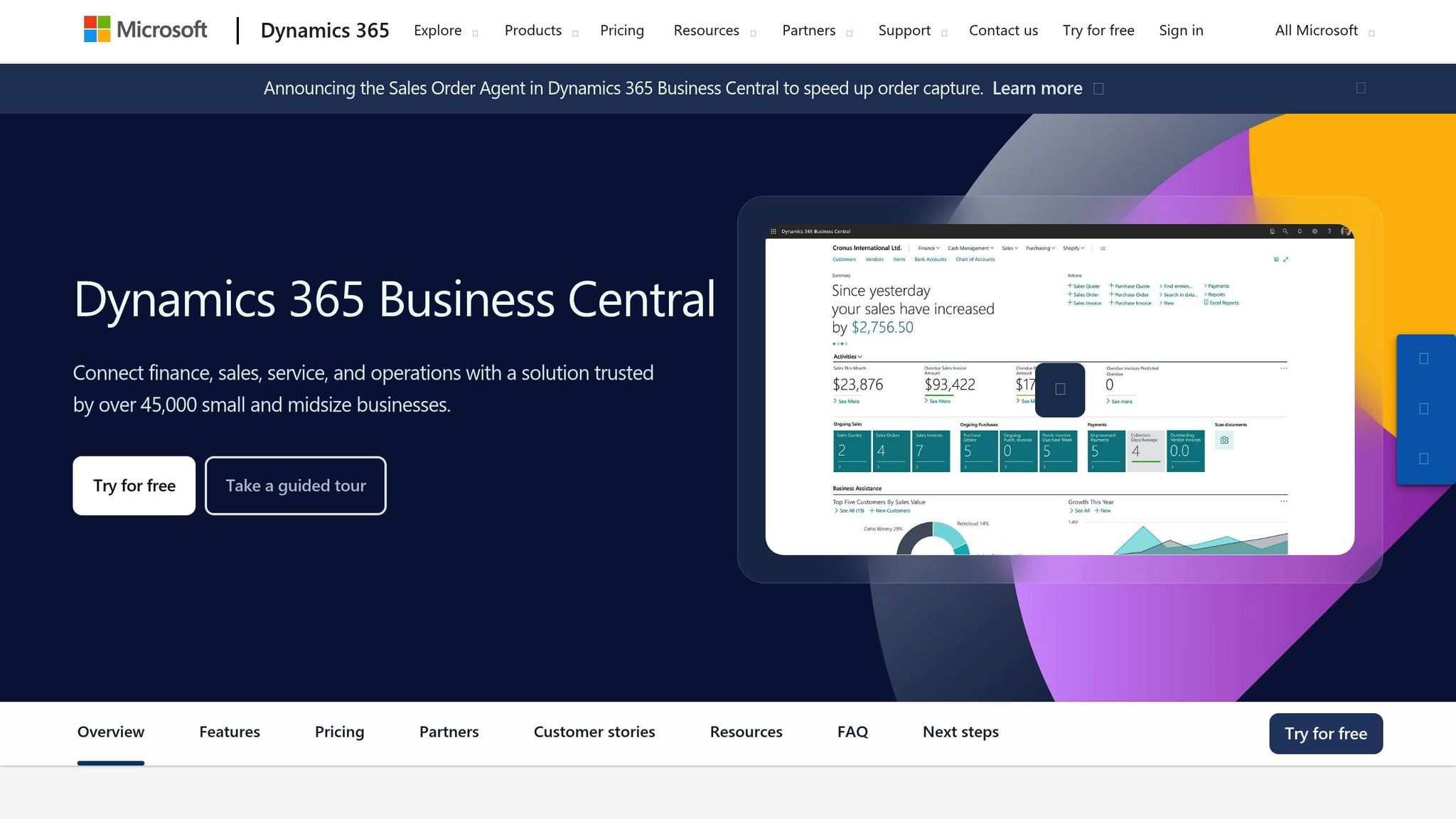
Real-Time Cash Flow Management with Business Central: Maximize Cash Flow Visibility and Stability
How Real-Time Data Improves Cash Flow Management
Real-time data is a game-changer for cash flow management, offering immediate financial insights that eliminate the need to wait days - or even weeks - for updates. This instant access allows businesses to seize opportunities or tackle challenges as they arise. By improving transaction visibility, sharpening forecasting accuracy, and supporting faster decision-making, real-time data helps keep finances on track.
Better Visibility into Financial Transactions
Delayed financial reporting can turn small problems into major setbacks. Real-time data solves this by providing instant, detailed tracking of expenses while identifying trends early. This means you can make adjustments before issues spiral out of control. For instance, if mid-month advertising costs are higher than expected, you can tweak your campaigns immediately to stay within budget. Similarly, if a product suddenly sees a surge in sales, you can quickly assess the revenue impact and adjust inventory or marketing efforts accordingly[2].
"Real-time expense tracking does more than just speed things up - it helps businesses gain control, cut down on unnecessary costs, and make smarter financial decisions with confidence."
- Kyle Barnett, Manager, Finance & Ops, Extend[4]
This kind of visibility not only prevents overspending but also helps you spot opportunities and challenges as they emerge, giving you the flexibility to act decisively.
More Accurate Forecasting and Planning
Relying on outdated data for cash flow forecasting is risky. Real-time data allows businesses to update forecasts and budgets based on current conditions, ensuring decisions are grounded in the present[2]. For example, Active Mutual used real-time analysis to detect sales spikes shortly after Social Security payments, enabling them to adjust their budget with precision[5]. Similarly, real-time ERP systems track payments, invoices, and inventory expenditures as they happen, giving businesses a clearer picture of their cash flow[3].
This is especially important when nearly 99% of cash flow forecasting is still done manually as of 2024[6]. AI-powered tools take this a step further by analyzing large datasets in real time, accounting for unexpected events and market changes that traditional methods often overlook.
"AI has introduced predictive algorithms that significantly enhance both the speed and accuracy of cash flow forecasting by processing large datasets in real-time."
- Craig J. Lewis, Founder and CEO, Gig Wage[5]
"When we use traditional forecasting, it depends on past data and people's judgments collected over time, but AI pulls in different data from many sources like supply chain changes and market trends that provide optimized answers now."
- Roy Benesh, CTO, eSIMple[5]
With these tools, businesses can adapt their strategies quickly, staying ahead of market shifts and ensuring their financial plans remain relevant.
Faster Decision-Making with Current Data
Having access to up-to-the-minute data enables businesses to respond swiftly to changing circumstances[8]. This is particularly valuable when managing inventory - which often accounts for over 30% of costs[3] - or dealing with payment delays that can stretch for weeks. Real-time insights allow businesses to prioritize spending based on their actual cash flow, ensuring resources are allocated effectively. They also help detect potential cash shortfalls early, giving businesses more time to address the issue[2].
"The only thing that you can control is now. And if you focus on now, that's where the data is."
- Nick Dorogavtsev, Data Engineer & Accountant[7]
Solving Cash Flow Problems with Real-Time Data
With real-time data, businesses can move beyond just tracking financial health - they can actively address cash flow challenges as they arise. Instead of waiting weeks to uncover issues, companies can now identify problems in the moment and take swift action to avoid financial setbacks.
Finding and Fixing Cash Shortages
Cash shortages are one of the most pressing risks for eCommerce businesses. Real-time data serves as an early warning system, flagging potential shortfalls before they escalate into major crises. If your system detects declining cash reserves or unusual spending patterns, you can immediately respond by delaying non-essential purchases, accelerating collections, or securing additional funding.
The biggest advantage here is timing. Unlike static monthly reports, real-time monitoring uncovers cash flow issues early, giving you the chance to act before missing payments or running into inventory delays. For example, if data shows increasing customer payment delays while inventory costs remain steady, you can adjust payment terms or offer discounts for early payments to improve cash inflows.
Real-time tools also provide a clear view of your liquidity at any given moment, helping you make smarter spending decisions. This reduces the risk of making large investments based on outdated information, ensuring you always maintain enough cash to cover operational needs. Early detection through real-time insights also enables automated alerts, so you can respond instantly when issues arise.
Setting Up Automatic Alerts for Problems
Automated alerts take cash flow monitoring to the next level by continuously tracking key financial metrics and notifying you of critical changes. These systems can monitor a range of indicators, from account balances dropping below a set threshold to unusual transaction patterns that might signal trouble.
The impact of these alerts is hard to overstate. Poor cash flow management is a leading cause of business failure, with 82% of businesses citing it as the reason for their downfall[12]. Automated alerts help prevent this by notifying you the moment your cash position worsens or a key financial event occurs.
Today’s cash flow systems are highly advanced, offering features like instant alerts and auto-tagging for 98% of transactions[13]. For instance, you’ll know immediately if a major customer payment is late, if expenses exceed your budget, or if your cash reserves fall below a critical level. These alerts can be tailored to your needs - whether it’s a notification when your operating account drops below $10,000 or when weekly expenses surpass 110% of your budget.
"Agicap allows us to consolidate all our businesses into one single view, which is hugely beneficial because that's the view that the board needs if it's going to make strategic decisions." - Keiron Kavanagh, CFO, Milner Browne and Enterpryze[9]
Reducing Manual Errors and Saving Time
Real-time data integration doesn’t just offer better insights - it also eliminates the time and errors associated with manual cash flow tracking. Manual processes are not only tedious but prone to mistakes that can lead to serious financial consequences. By automating these tasks, businesses can save time and significantly reduce errors.
The benefits are striking. Automated cash management reduces errors by 95% and boosts productivity by 70%[13][14]. This is achieved through features like automatic reconciliation across multiple accounts and consistent formatting of financial data, which streamline reporting and analysis.
Take the case of DataStax: before automation, their cash forecasting process required over 20 hours of manual work each week across various international entities. After implementing real-time systems, this task was reduced to just minutes.
"rtZen automated the creation of our weekly cash forecasting report across more than 10 international entities and eliminated the painful manual effort of 20+ hours to just minutes." - Arnulfo Sanchez, Chief Accounting Officer, DataStax[14]
The time savings extend far beyond reporting. Nearly 75% of accounting tasks can now be automated[11], allowing teams to focus on strategic analysis rather than repetitive data entry. This is especially important for eCommerce businesses, where quick decisions often determine success.
Automation also improves forecasting accuracy. AI-powered models can reduce forecasting errors by up to 50% compared to traditional methods[10]. Additionally, businesses that adopt AI-driven cash flow forecasting can cut inventory carrying costs by 15% and improve working capital by 20%[15].
"By eliminating manual processes, minimizing errors, and automating workflows, HighRadius cash flow management system delivers real-time insights, enhancing precision and operational efficiency." - HighRadius[13]
sbb-itb-d7b5115
Setting Up Real-Time Data Integration for eCommerce
Incorporating real-time data into your eCommerce operations starts with picking tools that fit seamlessly into your existing systems. The goal is to choose platforms that not only integrate smoothly but also provide the insights you need to make quick, informed decisions about cash flow. This setup is the foundation for gaining actionable, up-to-the-minute insights into your business.
Key Features to Look for in Real-Time Data Tools
When evaluating real-time data tools for managing cash flow, integration capabilities should be your top priority. The tools you select must connect directly with major platforms like Shopify, Stripe, and PayPal. This ensures transaction data flows automatically into your cash flow system, keeping everything current and eliminating the need for manual updates[2].
Real-time tracking of both revenue and expenses is critical. This feature provides an accurate, up-to-date view of your financial health, removing the uncertainty that comes with relying on outdated reports[16]. For businesses with multiple revenue streams - such as omnichannel operations - tools that integrate payment systems and POS platforms can simplify revenue tracking and prevent duplicate entries[2].
Forecasting capabilities are another must-have. The best tools help you anticipate future cash flow trends, making it easier to prepare for potential surpluses or shortfalls. Some platforms even include features that automatically identify trends and alert you to impending cash flow issues[16][12].
Automated reporting and alerts are invaluable for staying on top of critical changes without wasting time. Features like transaction reconciliation, data entry automation, and report generation streamline operations, reduce errors, and free up your team to focus on strategic initiatives[16][2].
A user-friendly interface is essential for quick access to key information without the need for extensive training[16]. If your business operates internationally, look for tools with multi-currency support to handle various currencies effortlessly within your cash flow calculations[16].
Finally, choose tools with a proven track record of reliability in the market.
Once you’ve identified tools with these features, it’s time to integrate real-time data into your workflow.
Steps to Add Real-Time Data to Your Workflow
Begin by defining your strategic objectives and targeting areas where real-time data can make an immediate impact. For example, focus on improving cash flow through smarter marketing spend or better inventory management[19]. This clarity will guide your tool selection and help you prioritize the most impactful integrations.
Choose analytics platforms that address your specific cash flow challenges. Ensure these tools can handle real-time data at scale and integrate seamlessly with your existing tech stack[19]. Verify that they support standard connectors for platforms like social media, SaaS tools, and your data warehouse[17].
Next, connect all relevant data sources to create a complete picture of your operations. This includes web traffic, transactions, customer interactions, and inventory levels. Integrating payment processors, bank accounts, and other financial platforms ensures smooth data flow across your systems[2].
Before going live, establish clear key performance indicators (KPIs). Focus on metrics that directly impact your business goals, such as sales trends, customer behaviors, website performance, and campaign results. Pay particular attention to cash inflows, outflows, and liquidity ratios[19]. This focus prevents information overload and keeps your team aligned on what truly matters.
Build data pipelines that highlight critical cash flow metrics while filtering out unnecessary data[20]. Use tools for data validation, cleansing, and enrichment to ensure only high-quality information enters your system[20].
Implement data governance practices, including cataloging, lineage tracking, and assigning clear stewardship roles. Protect sensitive data at every stage to minimize security risks[18].
Create dynamic dashboards and visualizations that update in real time. These tools should be easy to interpret and accessible to all relevant team members, enabling quick, data-driven decisions across your organization[19].
Automate routine tasks like dynamic pricing, personalized content delivery, and targeted marketing based on real-time insights. This takes your data integration beyond monitoring, allowing you to actively optimize your business operations[19].
Lastly, plan for the future by ensuring your data solution can scale as your business grows. Regular audits will help maintain data accuracy and system efficiency over time[18][19].
How Onramp Funds Supports Real-Time Cash Flow Management

Onramp Funds has developed a financing platform tailored specifically for eCommerce businesses, leveraging real-time data integration to streamline funding decisions. By connecting directly to your online store via API, the platform bridges the gap between your sales data and financing needs, offering both adaptable funding solutions and compatibility with popular eCommerce platforms.
Flexible Funding Options for eCommerce Businesses
Through a read-only API, Onramp Funds gathers up-to-the-minute data on sales, orders, inventory, and fulfillment. This allows the platform to analyze your sales trends, cash flow, and debt obligations to craft funding offers designed specifically for your business.
The repayment model is based on revenue sharing, meaning you repay a percentage of your daily sales instead of fixed monthly amounts. This approach adjusts automatically to your business performance - higher sales mean larger repayments, while slower periods result in smaller ones. Daily repayment percentages can be as low as 1%, with no rigid schedules or monthly minimums to worry about.
"Most lending services in the market are built for traditional retail and don't really reflect the unique needs of eCommerce. We've built a solution that is uniquely tailored to the eCommerce industry", says Eric Youngstrom, CEO and Founder of Onramp.
Onramp Funds charges a straightforward fee ranging from 2% to 8% of the funding amount, ensuring there are no hidden costs. This transparent pricing model helps businesses understand the exact cost of capital before agreeing to terms. Funding is often available in under 24 hours, providing the speed that eCommerce businesses need to seize opportunities.
The results speak for themselves. For instance, one client saw their annual revenue jump from $2 million to $6 million after using Onramp's funding to invest in inventory and PPC advertising - funding they couldn’t secure from traditional banks due to personal credit requirements. On average, clients experience a 60% increase in revenue after receiving funding, with 75% returning for additional financing.
"Onramp offered the perfect solution with revenue-based financing to secure the capital we needed to invest in inventory and pay it back at a reasonable time frame once we made sales. The process was quick, easy, and the support was great", shares Jeremy, Founder and Owner of Kindfolk Yoga.
Repayments are automated, with the agreed percentage deducted directly from daily sales. This hands-off process eliminates administrative hassle, ensuring repayments align seamlessly with your cash flow. The flexible terms and automation make it easier for businesses to adapt to changing needs while keeping operations smooth.
Integration with Major eCommerce Platforms
Onramp Funds extends its benefits across eight leading eCommerce platforms, including Amazon, Shopify, BigCommerce, WooCommerce, Squarespace, Walmart Marketplace, TikTok Shop, and Shopline. This broad compatibility ensures that businesses, regardless of their platform, can integrate Onramp’s financing solution into their operations effortlessly.
The platform’s secure connection process eliminates the need for personal credit checks, instead relying on your sales history to make funding decisions. Once connected, Onramp monitors your sales performance in real time, adjusting repayment terms and identifying new funding opportunities as your business grows.
As an approved Walmart Marketplace Solutions Provider, Onramp supports the growing number of sellers on Walmart Marketplace. With Walmart reporting a 40% year-over-year increase in seller participation, this integration aligns with the platform’s rapid expansion.
"As an approved Walmart Marketplace Solutions Provider, Onramp can now help sellers on Walmart Marketplace secure funding to grow their business faster. We're thrilled to be helping sellers on Walmart Marketplace scale their businesses and achieve success", says Eric Youngstrom.
"Onramp has simplified cash flow by automating everything: easy to request, set it and forget it payments - quick!" notes Torrie V., Founder and Owner of Torrie's Natural.
The funding can be used for a variety of business needs, from inventory and logistics to marketing and other growth initiatives. By combining real-time data integration with flexible funding terms, Onramp Funds offers a solution designed to meet the fast-paced and dynamic demands of eCommerce businesses, rather than forcing them into traditional lending structures.
Conclusion: Using Real-Time Data for Better Cash Flow
Real-time data transforms cash flow management from a guessing game into a precise and proactive approach. With instant access to financial transactions, eCommerce businesses can track their actual cash position at any time, eliminating the need for costly assumptions.
This instant visibility doesn’t just save time - it boosts forecasting accuracy. Automated real-time systems cut down on manual errors and free up hours of work. Parag, CEO of Webgility, highlights this advantage: eCommerce sellers using real-time data sync solutions have reported saving up to 10 hours a week on manual data entry[1].
"Most business problems can be solved by closely analyzing data. Real-time data empowers sellers to optimize operations, minimize errors, and make informed decisions essential in today's competitive market." - Parag, CEO of Webgility[1]
When paired with funding solutions like Onramp Funds, real-time data takes financial flexibility to the next level. Onramp Funds’ revenue-based financing adapts repayment schedules to actual sales performance, offering a smarter alternative to fixed monthly payments.
With real-time cash flow management, businesses can seize opportunities faster, avoid cash flow crises, and fuel consistent growth. In the fast-moving world of eCommerce, this adaptability can make all the difference between thriving and struggling.
FAQs
How does real-time data help eCommerce businesses manage cash flow more effectively?
Real-time data gives eCommerce businesses an edge by offering up-to-the-minute insights into their cash flow. This kind of immediate visibility allows companies to make quicker, smarter financial decisions, adjusting strategies as needed to keep cash reserves in good shape.
By using real-time data, businesses can spot potential cash flow problems early, fine-tune their working capital, and align inventory purchases with actual sales trends. This helps avoid the pitfalls of overstocking or running out of products, boosts operational efficiency, and keeps daily financial management running smoothly.
For eCommerce sellers aiming to grow, tapping into real-time data is key. It helps them stay flexible and maintain control over their finances in a fast-moving, competitive environment.
What features should you prioritize in real-time data tools for better cash flow management?
When selecting tools to manage cash flow in real time, focus on features that offer immediate insights into your cash position, smooth integration with your banking and accounting systems, and automated reporting to streamline your workflow. Opt for options with customizable dashboards to monitor critical metrics, scenario modeling to predict possible financial outcomes, and cloud-based access for ease of use and team collaboration. These capabilities help you make smarter decisions and quickly respond to shifts in your business's financial landscape.
How do automated alerts and AI tools help improve cash flow forecasting and financial decisions?
Automated alerts and AI tools bring a new level of precision to cash flow forecasting by offering real-time insights into payment patterns, customer behavior, and transaction data. This not only sharpens the accuracy of forecasts but also empowers businesses to make smarter, more timely financial decisions.
By automating repetitive tasks and reducing manual errors, these tools save time and ensure fewer mistakes. They also send timely notifications about potential cash flow issues - whether it's a shortage or surplus - allowing businesses to pivot their strategies swiftly. This adaptability helps maintain smoother operations and better financial planning.
For eCommerce businesses, pairing these insights with flexible financing options - like those available through Onramp Funds - can make managing cash flow much easier. It supports growth and helps allocate resources more effectively, whether investing in inventory or boosting marketing efforts.
Related Blog Posts
Onramp Funds
Funding built around your sales
Connect your store and see what you qualify for. Repay as a percentage of sales, with no personal credit check.
Funding in as little as 24 hours.
