

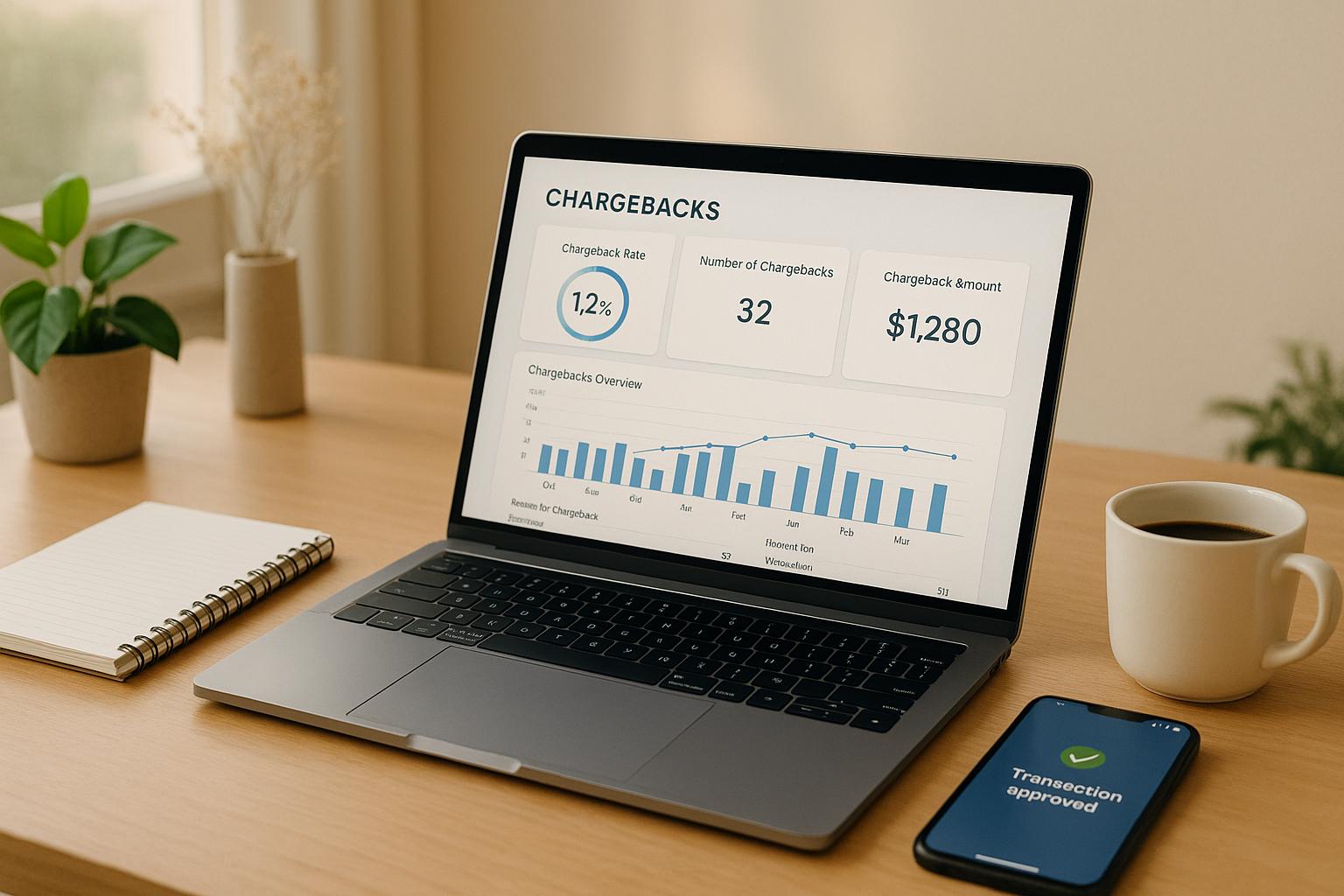
- Set Clear Policies: Transparent refund, return, and shipping policies reduce misunderstandings and disputes.
- Use Fraud Prevention Tools: Leverage tools like AVS, CVV checks, and fraud detection apps (e.g., NoFraud, FUGU Risk).
- Write Accurate Product Descriptions: Avoid misrepresentation by including clear details and high-quality images.
- Keep Customers Informed: Send order confirmations, shipping updates, and delivery notifications to build trust.
- Maintain Detailed Records: Track transactions, delivery confirmations, and customer interactions to dispute chargebacks effectively.
- Train Your Team: Equip staff to handle disputes and recognize fraud indicators.
- Monitor Chargeback Patterns: Analyze trends, reasons, and repeat offenders to refine prevention strategies.
The Cost of Chargebacks
- $3.75 lost per $1 disputed: Includes fees, admin costs, and lost inventory.
- Friendly fraud accounts for 80% of chargebacks.
- Chargeback fees: $15–$20 per dispute (Stripe, PayPal, AmazonPay).
Quick Comparison: Refunds vs. Chargebacks
What Chargebacks Are and How They Hurt Your Business
What Are Chargebacks?
For BigCommerce sellers, chargebacks can create serious disruptions, affecting your payment flow and adding layers of operational headaches. A chargeback happens when a customer disputes a transaction directly with their bank, cutting your store out of the process entirely. Unlike refunds - which you, as the merchant, control - chargebacks are initiated by the customer through their bank. Essentially, the bank steps in and reverses the payment without your consent. This process is legally required to protect consumers[5].
Because chargebacks involve multiple parties, they’re far more time-consuming and expensive than straightforward refunds. To better understand the impact, it helps to compare the two:
Why Chargebacks Happen
To prevent chargebacks, it’s important to understand why they occur in the first place. One of the leading causes is friendly fraud - when customers dispute legitimate transactions, often claiming they didn’t make the purchase or didn’t receive the item. Other frequent reasons include actual fraud (like stolen credit card use), errors during transaction processing, delays in shipping, products that don’t match their descriptions, or dissatisfaction with customer service.
As eCommerce grows, so do these issues. The numbers tell the story: the cost of chargebacks is projected to climb past $1 billion by 2023, up from $690 million in 2020[6]. Knowing these causes is the first step in understanding the broader financial toll.
The True Cost of Chargebacks
Chargebacks hit harder than just the disputed amount. For every $100 charged back, merchants lose an average of $240[1]. This includes not only the initial sale but also processing fees and other costs that pile up along the way. In fact, chargebacks can end up costing merchants 2.4 to 3.6 times the original transaction amount[5].
Administrative fees add another layer of expense. Mastercard estimates that merchants spend anywhere from $15 to $70 per card dispute on admin costs alone[6]. High chargeback rates can also lead to penalties from payment processors, higher transaction fees, or even the termination of your account. On top of that, merchants may spend 3%–5% of their total revenue just fighting fraud[7].
The numbers are staggering. The eCommerce industry lost an estimated $6.7 billion to chargebacks, with 71% of that tied to friendly or chargeback fraud[3]. For BigCommerce sellers, these costs aren’t just a nuisance - they’re a direct threat to profitability and long-term growth. Addressing these challenges is essential to protect your business and keep it thriving.
How To Prevent Chargeback Fraud? - CountyOffice.org
BigCommerce Chargeback Prevention Checklist
Use this checklist to help minimize chargebacks and protect your revenue. Each step addresses common reasons for disputes and enhances your fraud prevention measures.
Set Clear Store Policies
Transparent store policies are a crucial defense against chargebacks. When customers know what to expect, they’re less likely to feel misled or dispute charges. Start with a clear refund policy that outlines specific timeframes, conditions, and procedures. For example, state something like: “Returns accepted within 30 days of delivery.” Be sure to specify who covers return shipping, the condition items must be in, and how long refunds will take to process.
Your shipping policy needs the same level of clarity. Include processing times, shipping options with costs, estimated delivery dates, and notes on potential customs fees or delays for international orders. Make these policies easy to find by linking them in your site’s header, footer, and checkout process. Fun fact: 87% of online shoppers say detailed information is key to their buying decisions[12].
Use Fraud Prevention Tools
BigCommerce offers various fraud prevention tools through its App Marketplace, giving you multiple layers of protection against fraudulent transactions. Start with basic verification methods like AVS (Address Verification System) and CVV checks, which confirm billing addresses and card security codes match the issuer's records[10]. While helpful, these methods alone may not catch sophisticated fraud attempts.
For stronger protection, enable 3-D Secure authentication. This requires customers to verify their identity with their bank during checkout, and it also shifts liability away from you. You can take it further with advanced tools like NoFraud, which uses AI to instantly approve or deny 99.5% of transactions[8]. After adopting NoFraud, Monoprice eliminated chargeback liability, reduced review rates by 72%, dropped decline rates by 78%, and saw a $1.2 million boost in revenue[8].
Other fraud prevention apps on BigCommerce include FUGU Risk, Subuno, and BuySafe[9]. Additionally, configure fraud detection filters to flag suspicious activity, such as mismatched order details, unusually large purchases, high-risk locations, or multiple shipping addresses on a single order[4].
Write Accurate Product Descriptions
Product misrepresentation is a leading cause of chargebacks. Accurate, detailed descriptions help set proper expectations and reduce returns. Ensure your product descriptions are original, clear, and thorough. Include information like dimensions, materials, colors, and any special requirements or limitations. For example, note if an item runs small or requires assembly.
Well-written descriptions can also boost conversions - by as much as 78%[13]. Use simple, jargon-free language to make features easy to understand. Pair your descriptions with high-quality images taken from multiple angles, and include lifestyle photos that show the product in use[11]. Features like zoom functionality or product videos can further enhance clarity.
Customer reviews are another powerful tool. They not only set realistic expectations but also build trust. In fact, 92% of shoppers rely on reviews when making purchasing decisions[12]. Display these prominently on your product pages.
Keep Customers Informed
Lack of communication is a common trigger for chargebacks. Keep your customers informed throughout the buying process. Send order confirmations immediately after purchase, including details like items bought, the total charged, and expected delivery dates. Use consistent business names in email headers and payment descriptors to avoid confusion.
Shipping updates are equally important. Provide tracking numbers, estimated delivery dates, and delivery confirmations once items arrive. If there are delays, proactive communication can prevent disputes. Automating notifications for orders, payments, and shipments ensures transparency. Additionally, offering accessible customer support - via live chat, email, or phone - helps resolve issues quickly and reduces the risk of chargebacks[12].
Keep Detailed Transaction Records
When chargebacks happen, detailed documentation can make all the difference. Keep records of every transaction, including payment confirmations, shipping addresses, delivery confirmations, and customer interactions. Save screenshots of your product pages as they appeared at the time of purchase, as these may change over time.
For high-value items, require delivery confirmations with signatures and retain digital confirmations from carriers like UPS, FedEx, or USPS. Document all customer service communications, such as emails, chat logs, and call notes. Organizing this information ensures you’re prepared to dispute chargebacks effectively and with minimal hassle.
sbb-itb-d7b5115
How Better Cash Flow Helps Prevent Chargebacks
Maintaining strong cash flow isn't just about keeping the lights on - it’s a critical line of defense against chargebacks. With steady revenue, you can invest in the tools, training, and processes that protect your BigCommerce store from fraud and disputes.
Why Cash Flow Is Key to Fraud Prevention
When your business has healthy cash flow, you can afford to implement effective fraud prevention measures. These might include address verification systems (AVS), card security codes, and fraud detection software. You can also train your team to identify and handle suspicious transactions quickly and accurately. This investment is crucial, especially when considering that online payment fraud cost the eCommerce industry a staggering $41 billion in 2022, with chargebacks contributing over $100 billion to that total [14][15].
Good cash flow also supports better customer communication. When customers can easily contact you and receive prompt, helpful responses, disputes caused by misunderstandings or dissatisfaction are far less likely to escalate into chargebacks. Additionally, strong financial health allows you to adopt advanced fraud prevention tools, such as machine learning-based fraud scoring systems that assess transaction risks in real time.
The results speak for themselves: businesses using automated chargeback management tools have achieved dispute win rates of up to 75%, compared to the industry average of just 12% [15]. This underscores the importance of financial flexibility, which enables quick responses to fraud and supports investments in fraud prevention strategies.
How Onramp Funds Can Support Your Fraud Prevention Efforts

For BigCommerce sellers, cash flow challenges can feel like a catch-22. You need funds to invest in fraud prevention, but chargebacks can quickly drain your resources. That’s where Onramp Funds steps in. They offer fast, equity-free financing tailored specifically for eCommerce businesses. Their revenue-based financing model adjusts repayments according to your sales performance, giving you the flexibility to manage slower periods without sacrificing essential investments.
Speed matters when it comes to fraud prevention. With funding available in as little as 24 hours, you can act quickly - whether you need to invest in fraud detection tools, upgrade customer support systems, or hire additional monitoring staff. Onramp Funds also integrates seamlessly with major eCommerce platforms, provides personalized support from their Austin-based team, and offers transparent pricing with no hidden fees.
This flexible repayment structure ensures your fraud prevention efforts remain intact. When sales are strong, you pay more; during slower months, payments automatically decrease, preserving cash flow for critical operations. Considering that 32% of eCommerce businesses fail due to running out of cash [16], having access to fast and adaptable funding can be the difference between thriving and struggling.
Long-Term Chargeback Management Tips
Dealing with chargebacks is an ongoing effort. As fraud tactics shift and evolve, your strategies need to keep pace to protect your revenue. Staying vigilant over the long haul is key to minimizing recurring chargebacks.
Review Your Policies and Tools Regularly
Policies and tools should never be static. Regular updates are essential to keep up with changes in fraud tactics, card network rules, and customer needs.
Dive into your historical chargeback data. Look for trends, seasonal patterns, and issuer-specific outcomes to pinpoint weak spots. Comparing your chargeback ratios to industry benchmarks can also reveal areas where you might need to step up your efforts.
Your fraud prevention tools should be just as dynamic. BigCommerce’s App Marketplace offers integrations with tools like ClearSale, Eye4fraud, FraudLabs Pro, NoFraud, and Signifyd [10]. These AI-powered solutions help you identify fraud risks in real time, but they’re only as good as their latest updates - so make sure they’re current.
Keep an eye on industry updates from card issuers and digital wallet providers. These bulletins and announcements often include changes to chargeback requirements, giving you the chance to adjust your policies proactively. Gathering customer feedback through surveys can also uncover areas of confusion that might lead to disputes.
Once your policies and tools are solid, it’s time to focus on your team’s preparedness.
Train Your Staff
Your team plays a critical role in chargeback prevention. Proper training equips them to spot and handle potential issues before they escalate.
Tailor training to specific roles. For example, fulfillment teams should verify returns, while marketing teams can monitor for suspicious ad traffic. IT staff should stay updated on emerging fraud threats, maintain secure firewalls, and deploy the latest security measures. Customer service representatives, on the other hand, should be trained to recognize social engineering tactics and handle disputes effectively to maintain strong customer relationships.
Teach staff to identify red flags such as repetitive orders with slight variations, multiple credit cards used for a single order, mismatched billing and shipping addresses, or customers repeatedly requesting shipping updates without follow-up inquiries.
Investing in staff training not only empowers your team but also reduces financial risk.
With a well-trained team in place, tracking chargeback trends becomes the next step in fine-tuning your strategy.
Track Your Chargeback Patterns
Keeping a close eye on your chargeback patterns is crucial for long-term prevention. By understanding the root causes, you can create strategies to reduce their frequency and improve your chances of winning disputes.
Monitor metrics like chargeback ratios, reason codes, fees, dispute lag times, and win rates. Break down transaction data by variables like purchase amount, product type, or customer location to uncover hidden patterns. Look at the time between a transaction and a chargeback, and analyze outcomes by card issuer for deeper insights. You might also review traffic sources to see if certain marketing channels are linked to higher chargeback rates.
Here’s a striking statistic: 86% of chargebacks come from friendly fraud, costing merchants $2.94 for every dollar lost [17]. On top of that, global chargeback volumes are expected to hit 337 million transactions by 2026 - a 42% jump from 2023 levels [18].
Tracking repeat offenders is another important step. Identifying customers who frequently dispute transactions allows you to address issues directly before they escalate. Automated tools can help you gather and analyze data quickly, making it easier to spot trends and take action.
Protecting Your BigCommerce Business
Running a thriving BigCommerce store takes more than just offering great products and executing smart marketing strategies - it also requires a solid plan to guard against chargebacks. A strong prevention strategy not only shields your business but also complements earlier efforts to maintain healthy cash flow.
Fraud is a costly challenge for eCommerce businesses. Nearly half of small businesses experience fraud at some point, with an average loss of $114,000 per incident [19]. On top of that, companies lacking integrated fraud prevention and customer experience operations end up spending $4.24 for every $1 lost to fraud [2].
At the heart of your defense is strong authentication and security. Using unique, complex passwords, enabling two-factor authentication (2FA), and keeping your BigCommerce software updated are essential steps to close security gaps [4]. SSL certificates, which encrypt sensitive transaction data, not only protect your customers but also build trust - helping reduce chargeback rates by up to 15% [20].
Fraud detection tools can add another layer of protection. Features like the Address Verification System (AVS) check billing addresses against credit card records, while Card Verification Value (CVV) requirements ensure the customer has the physical card. Automated filters can also flag suspicious transactions before they become a problem [10][19].
Technical defenses are just one part of the equation. Clear communication and responsive customer service are equally important. Providing accurate product descriptions, setting realistic delivery expectations, and offering multiple ways for customers to contact you can help manage expectations and reduce the likelihood of disputes. When customers can easily resolve issues directly with you, they're less likely to turn to their bank for chargebacks.
Investing in fraud prevention is an ongoing commitment. Access to steady working capital allows BigCommerce sellers to upgrade their security tools, maintain inventory levels, and deliver excellent customer service. All of these factors play a role in minimizing the risk of chargebacks.
To stay ahead, treat chargeback prevention as a continuous effort. Regularly monitor your chargeback ratios, adopt the latest security technologies, and keep detailed transaction records. With 27% of retail merchants reporting rising chargeback rates [21], staying proactive is more important than ever.
Chargebacks don’t just cost you the original transaction amount - they can end up costing as much as $4 for every $1 charged back when fees, administrative expenses, and lost merchandise are factored in [22]. By consistently applying these strategies and ensuring your business has the financial flexibility to invest in security, you’re not just protecting individual transactions - you’re safeguarding the future growth and profitability of your BigCommerce store.
FAQs
What steps can BigCommerce sellers take to reduce the impact of friendly fraud and protect their revenue?
To tackle friendly fraud, BigCommerce sellers can adopt a few practical strategies to safeguard their revenue:
- Use clear and identifiable billing descriptors to prevent customers from mistaking legitimate charges for unauthorized ones.
- Maintain open communication with customers about charges, shipping timelines, and refund policies to set proper expectations.
- Leverage fraud detection tools available through BigCommerce to identify and address suspicious transactions early.
- Offer detailed delivery tracking and ensure proof of shipment is available for every order.
By taking these steps, businesses can reduce misunderstandings, cut down on disputes, and create a more secure shopping experience, protecting themselves from unnecessary chargebacks.
How can keeping detailed transaction records help BigCommerce sellers dispute chargebacks effectively?
Keeping thorough transaction records is key when it comes to disputing chargebacks. These records serve as solid proof that a transaction was legitimate and authorized. Examples of useful documentation include shipping receipts, delivery confirmations, signed order forms, and screenshots of customer communications. Such evidence shows that the product or service was provided as promised, which can strengthen your case in a dispute.
Having well-organized and easily accessible records allows you to address chargeback claims quickly, minimizing the chances of losing revenue. This proactive effort not only safeguards your business but also reinforces trust with both payment processors and your customers.
How does better cash flow help BigCommerce businesses reduce chargebacks?
Strong cash flow is essential for BigCommerce businesses when it comes to managing chargebacks effectively. It gives you the financial breathing room to handle disputes promptly, issue refunds when needed, and keep operations running smoothly - all without jeopardizing your revenue.
On top of that, having steady cash flow means you can invest in fraud prevention tools and implement proactive measures like transaction verification and enhanced customer communication. These steps help lower the risk of chargebacks, safeguard your revenue, and build stronger customer trust.
Related Blog Posts
Onramp Funds
Funding built around your sales
Connect your store and see what you qualify for. Repay as a percentage of sales, with no personal credit check.
Funding in as little as 24 hours.
