

Are your Instagram ads making you money or wasting your budget? To get the best results, eCommerce sellers need tools that track ROI, optimize ad spend, and improve campaign performance.
Here’s what you need to know:
- 68% of marketers believe Instagram delivers positive ROI.
- Instagram ads cost $0.40–$0.70 per click and $2.50–$3.50 per 1,000 impressions.
- The right tools can help you hit a 3:1 ROI - $3 in revenue for every $1 spent.
Top Tools to Maximize Instagram Ad ROI
- Predis.ai: AI-powered content creation and ad optimization.
- Canva: Simple design templates with basic analytics and scheduling.
- Kicksta: Automates organic growth and tracks follower engagement.
- Coupler.io: Integrates ad data into Google Sheets for detailed reports.
- Meta Ads Manager: Advanced targeting and budget optimization directly in Instagram.
Quick Comparison
Key Takeaway
Use these tools to track ROI, optimize campaigns, and allocate your ad budget effectively. For growing businesses, tools like Coupler.io and Meta Ads Manager offer deep insights, while Canva is great for budget-conscious sellers. Combine ROI data with flexible funding options to scale your campaigns and grow faster.
Your Guide to Instagram Ads Analytics 📷
How to Choose Instagram Ad ROI Tools
Picking the right Instagram ad ROI tool can turn your campaigns into profit-generating machines. With social media driving 54% of global online purchases [3], having precise tracking and actionable insights is no longer optional - it's essential. The trick is to find a tool that aligns with your business needs while delivering reliable data for smarter marketing decisions.
Key Features for eCommerce Sellers
When evaluating ROI tools, there are a few must-haves that can make or break your campaigns:
- Real-time analytics: You need insights as your campaigns run, not days later when adjustments are no longer effective. Look for tools that update metrics frequently, so you can pivot strategies on the fly.
- Multi-platform integration: Ensure the tool connects seamlessly with platforms like Shopify, Amazon, WooCommerce, or BigCommerce. This ensures you can track the entire customer journey and get accurate attribution data.
- Multi-channel attribution: Customers often interact with several touchpoints before making a purchase. Tools that clarify Instagram’s role in these complex paths allow you to give proper credit and refine your ad strategies.
- Automated reporting: Say goodbye to manual data crunching. The best tools generate custom reports with the metrics you care about and deliver them straight to your inbox on schedule, saving time and effort.
- Cost tracking: Break down spending by campaigns, ad sets, and individual ads. Metrics like cost per acquisition (CPA), cost per click (CPC), and lifetime value (LTV) help you allocate your budget more effectively.
User-Friendly Design and Growth Support
A tool’s usability and ability to grow with your business can significantly impact your ROI. As Stacey P., a Google Ads Specialist at Pledge Consultancy, shared:
"The Dashboard view is actually clearer than LinkedIn. I tend to use it to see how much I'm spending on my LinkedIn account...it's much easier to see this information here than on LinkedIn itself." [4]
Here’s what to look for:
- Intuitive navigation: The best tools make it easy to find key metrics without endless clicks or confusing menus. A well-designed dashboard should highlight essential data upfront, with detailed breakdowns just a click away.
- Scalability: As your business expands, your tool should keep up - whether that means handling higher ad spend, more campaigns, or a larger team. Look for options with tiered pricing based on actual usage to avoid unnecessary costs.
- Strong customer support: Live chat, phone support, or a dedicated account manager can help you avoid costly mistakes. Training resources and onboarding assistance are also valuable for getting the most out of the platform.
- Customization options: Tailor dashboards and reports to meet your specific needs. Features like demographic insights, custom alerts, and ad performance analyzers can help you make informed decisions. As Anna P., Junior Online Marketing Manager at Elephant Digital, noted:
"I think it's pretty cool that you can see the demographics (like how many impressions are coming from men or women), because it's not too easy to find out in the Business Manager. It's also cool that you can set up alerts. I also liked the 'Ad Analyzer'; it's very helpful to see which ads are spending a lot of money, and decide which ads we want to pause." [4]
U.S. Market-Specific Needs
If your business operates in the U.S., there are additional considerations to ensure your ROI tool is fully equipped for this market:
- USD currency integration: Tools that display all monetary values in USD with proper formatting (e.g., 1,234,567.89) eliminate confusion and make financial tracking easier.
- Regional compliance: Ensure the tool adheres to U.S. laws, such as the California Consumer Privacy Act, and handles data collection transparently, including proper disclosure of tracking pixels.
- Marketplace compatibility: Beyond standard eCommerce platforms, look for integration with U.S.-specific platforms like Walmart Marketplace, eBay, and TikTok Shop, which are gaining popularity.
- Time zone accuracy: Tools that handle U.S. time zones correctly allow you to schedule campaigns for peak engagement hours and analyze performance based on when your audience is active.
- Data security: Protecting sensitive sales and customer data is critical. Choose tools with encryption, secure U.S.-based data centers, and regular security audits.
Top Instagram Ad ROI Tools for eCommerce Sellers
With Instagram's massive user base [12] and strong engagement rates [7], it's no surprise that eCommerce sellers are turning to specialized tools to make the most of their ad budgets. Below, we explore some standout platforms that help U.S. eCommerce businesses turn Instagram ad spend into profit.
Predis.ai
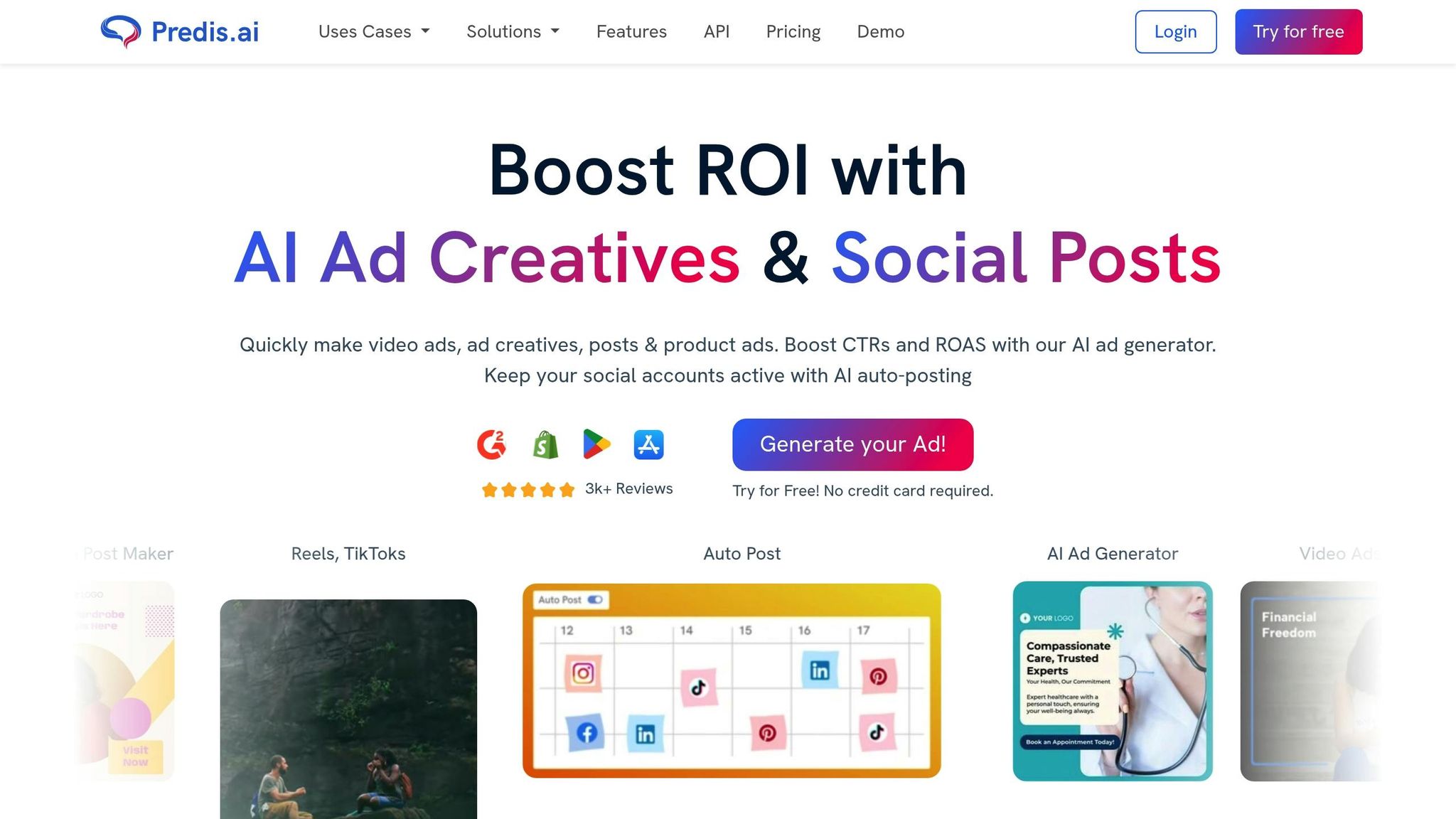
Predis.ai leverages artificial intelligence to craft Instagram content that performs. It analyzes your brand's voice, audience demographics, and historical data to create posts, stories, and ad creatives designed to connect with your market. The tool also generates multiple ad variations based on engagement trends and provides Instagram-specific insights, like optimal posting times. By focusing on performance metrics, Predis.ai helps eCommerce sellers fine-tune their strategies for better returns.
Canva
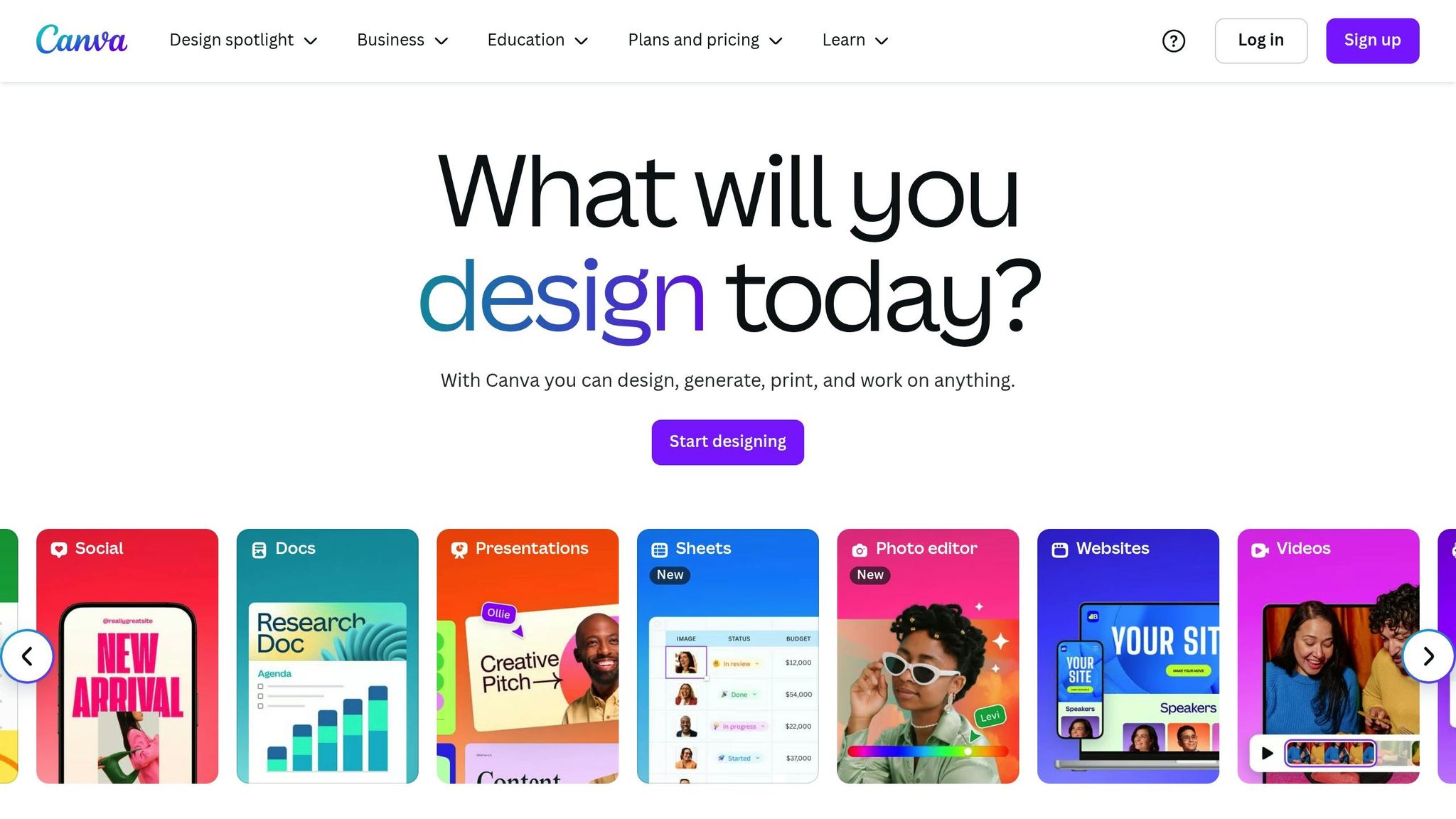
Canva isn't just about design - it also offers features for tracking Instagram ROI. Its Content Planner syncs directly with your Instagram business account, delivering performance metrics for both organic and paid content. Canva's extensive library of templates makes creating Instagram ads simple, while its analytics show how design choices influence engagement and conversions. Plus, its scheduling tools recommend the best posting windows based on when your audience is most active, ensuring your ads reach the right people at the right time.
Kicksta
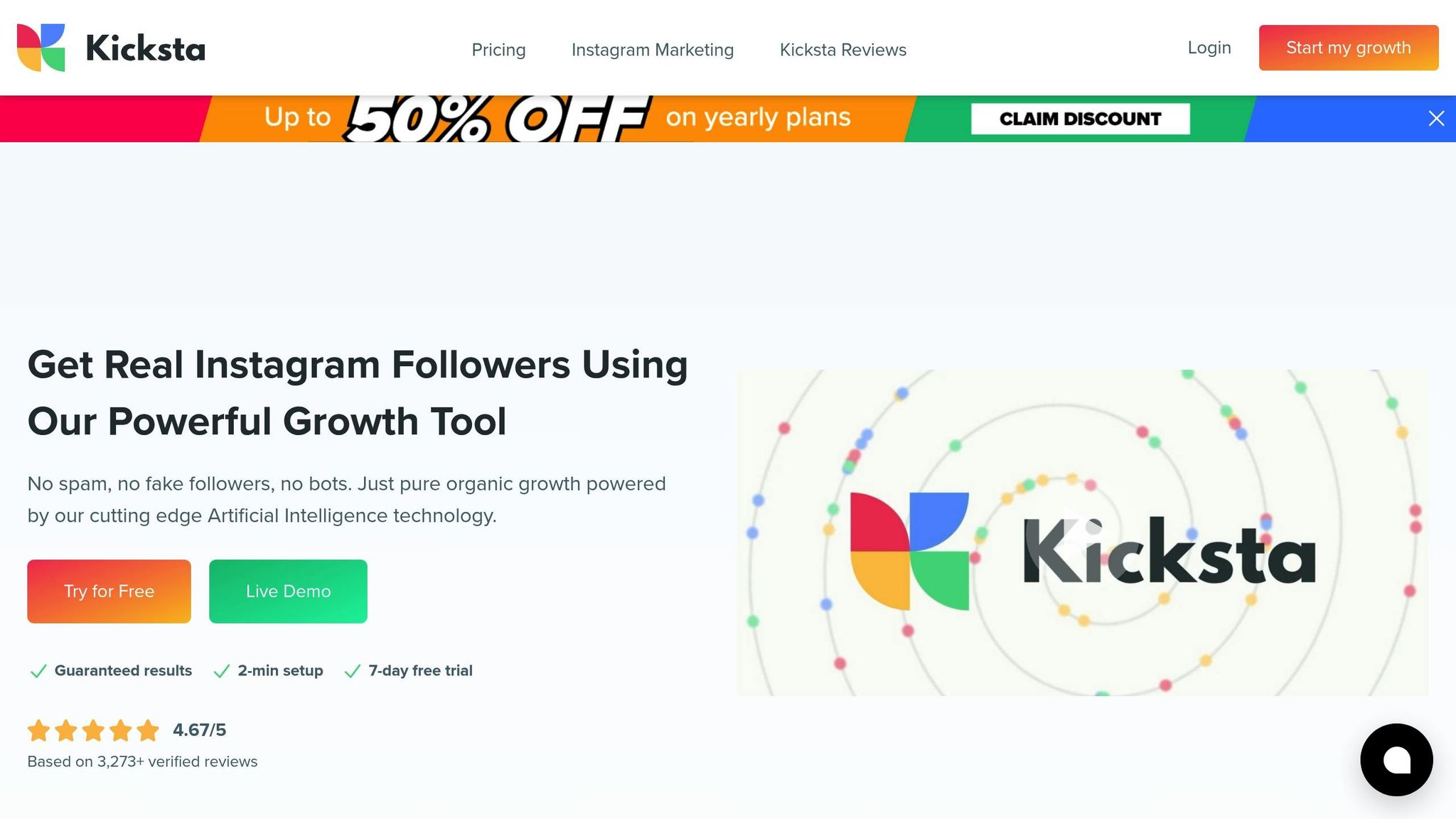
Kicksta focuses on automating Instagram engagement and connecting organic growth with ad performance. By using targeted automation, it helps you interact with potential customers while providing real-time analytics that show how these efforts translate into followers, site visits, and sales. For eCommerce sellers, Kicksta's insights into follower quality can be a game-changer, helping to identify which followers are most likely to convert into paying customers. It’s a smart way to balance organic growth with ad spend.
Coupler.io
Coupler.io simplifies reporting by integrating Instagram ad data with tools like Google Sheets and Looker Studio, creating detailed ROI dashboards.
"Coupler.io made it easy to create dashboards and reports from different data sources. The sync is reliable and the user experience is amazing."
- Jennifer Chan, Head of Admin & IT at Terminal 1 [5]
For U.S. sellers, Coupler.io offers a free plan with basic features, while its paid plans start at $32 per month for the Personal tier. The Professional plan costs $132 per month, and the Team plan is priced at $259 per month, offering more advanced options for scaling businesses [10].
"So useful! Saves me $400/mo and a lot of headache! It is giving me greater insight into my financials and paid ad data without any extra work."
Coupler.io's seamless integration with Google Sheets allows you to combine Instagram ad data with sales figures from other channels, creating unified dashboards. These insights make it easier to adjust ad budgets and improve overall ROI.
Meta Ads Manager (Instagram/Facebook)
Meta Ads Manager is a native tool for Instagram and Facebook, offering robust ROI tracking and audience targeting. With access to over 3 billion monthly active users across the Meta ecosystem [11], it’s a powerhouse for creating and managing campaigns. Features like dynamic product ads, which show users items they've browsed or added to their cart, help create highly targeted campaigns that drive results.
For U.S. eCommerce sellers, Meta Ads Manager's custom audience tools allow precise targeting based on behaviors, interests, and demographics that align with American consumer habits. Its lookalike audience feature expands your reach by targeting users similar to your best customers, helping you scale campaigns without overspending. Detailed attribution reports and real-time budget optimization ensure your ad dollars are directed toward the campaigns that deliver the most value.
Instagram Ad ROI Tools Comparison
Finding the right Instagram ad ROI tool depends on your business size, budget, and specific goals. Below is a comparison of five popular tools for U.S. eCommerce sellers.
Key Takeaways on Pricing and Performance
The pricing for these tools varies significantly. Canva offers a free plan, while Kicksta starts at $49/month, and Coupler.io begins at $32/month for personal use. Meta Ads Manager operates on a pay-per-performance model, with average costs ranging from $0.40 to $0.70 per click and $2.50 to $3.50 per thousand impressions [15]. For businesses looking to streamline creative processes, Predis.ai offers custom pricing but lacks transparency.
Instagram ad benchmarks provide additional context. As of January 2025, the average cost per thousand impressions (CPM) for Instagram ads stood at $8.58, with a cost per link click of $0.84 and a link click-through rate of 1.02% [13]. Instagram Stories ads outperformed with a $7.25 CPM, while Reels ads had the lowest CPM at $4.29 but a higher cost per click at $1.21 [13].
User Satisfaction and Ratings
User ratings also shed light on overall satisfaction. Tools like SocialPilot, Buffer, and Later score between 4.3 and 4.5/5, while Kicksta lags behind at 2.1/5 [14]. Despite its focus on organic growth, Kicksta’s lower ratings highlight potential drawbacks in user experience.
Matching Tools to Business Needs
- Startups and Budget-Conscious Sellers: Canva’s free plan offers an excellent starting point, combining basic analytics with user-friendly design tools.
- Growing Businesses: Coupler.io’s data integration and reporting capabilities are ideal for managing sales across multiple channels.
- Enterprise-Level Sellers: Meta Ads Manager remains a go-to for its advanced targeting, reporting features, and seamless Instagram integration.
With Instagram’s high engagement rates and CPM benchmarks at $8.58, along with conversion rates around 1.08% [13][16], choosing a tool that aligns with your strategic priorities - whether it’s creative automation, design simplicity, organic engagement, or detailed reporting - can help maximize your ad spend effectiveness.
sbb-itb-d7b5115
Using ROI Data for Better Marketing Decisions
ROI data turns Instagram advertising into a tool for smarter decision-making. By identifying which campaigns deliver the best returns, you can allocate your marketing budget more effectively and grow your business with confidence.
Advertisers who fine-tune audience targeting, creative formats, and bidding strategies can see campaign performance improve by as much as 35%–80%, all thanks to leveraging ROI insights to scale successful strategies [18].
Spotting Your Best Campaigns: Dive into engagement, click-through rates (CTR), and conversion data. Instagram's analytics tools make it easy to pinpoint high-performing ads. Once you identify your top performers, analyze what sets them apart. For instance, a local fashion boutique boosted foot traffic and saw a 35% increase in sales by running Instagram campaigns tailored to local demographics, using carousel ads [2].
After identifying what works, scale your budgets gradually - no more than 20% at a time - to avoid disrupting Instagram's algorithm [17]. Structured campaigns can also help reduce cost-per-acquisition (CPA) by around 18% [18].
Expanding Your Audience: Build on the success of your proven campaigns. Using Lookalike Audiences can increase conversion rates by up to 70% compared to broader targeting [18]. Custom audiences are another powerful tool - users who’ve interacted with your brand are three times more likely to click on your ads than new prospects [18]. Creative formats can also make a big difference. For example, video ads often achieve up to 30% lower cost-per-engagement than static image ads, and ads featuring user-generated content can deliver four times higher click-through rates while cutting cost-per-click by 50% [18].
Reallocating Budgets: Use ROI data to shift funds toward campaigns that perform well and pause those that don’t. For example, a digital marketing agency focused on lead generation reduced its customer acquisition cost by 15% by doubling down on retargeting ads and leveraging Lookalike Audiences [2].
Keep an eye on key metrics like return on ad spend (ROAS) and customer lifetime value (CLV). Testing dynamic ads can also pay off, as they tend to boost conversion rates by 20%–30% compared to standard product ads [18].
The best eCommerce sellers know that ROI data isn’t just about reviewing past results - it’s also a way to predict future success. This focus on testing and adaptation ties seamlessly into using financing options to scale, as explored below.
Combining ROI Data with Funding Options
Once you’ve identified high-performing campaigns through ROI analysis, pairing this insight with flexible financing options can supercharge your growth. Revenue-based financing is particularly well-suited for eCommerce sellers looking to scale without taking on rigid financial commitments.
Onramp Funds offers equity-free financing designed to work alongside your data-driven marketing efforts. With repayment schedules that adjust based on performance - lower payments during slow periods and higher payments when campaigns perform well - you can confidently invest in Instagram campaigns that have already proven their worth. This flexibility allows you to scale successful campaigns when the data supports it, while pulling back when necessary.
Access to additional funds can also speed up your growth. Instead of waiting to reinvest profits, you can immediately increase budgets for campaigns that are delivering strong results. With funding available in as little as 24 hours, you can act quickly to capitalize on seasonal trends or creative variations before competitors catch on.
This approach minimizes risk. For example, if your Instagram campaigns consistently deliver a ROAS of 300% or more - earning $3 for every $1 spent - using borrowed capital becomes a calculated decision rather than a gamble [19]. Onramp Funds’ transparent fee structure (2%–8% of the funding amount) makes it easy to determine if the investment aligns with your campaign’s performance.
Revenue-based financing is especially useful for inventory-driven campaigns. When Instagram ads drive sales, having enough inventory is critical. This type of funding lets you stock up on your best-selling products without depleting your working capital, ensuring you’re always ready to meet demand.
Integration with major eCommerce platforms like Shopify, Amazon, and TikTok Shop makes the process even smoother. Onramp Funds connects directly to these platforms, pulling in your sales data automatically. This means you can focus on optimizing your campaigns instead of juggling financial logistics.
Conclusion
For U.S.-based eCommerce sellers, Instagram ad ROI tools are a game-changer when it comes to getting the most out of advertising budgets. With the right approach, the platform offers immense potential to connect with audiences and drive sales.
When choosing tools, prioritize those that offer robust tracking features, integrate smoothly with your existing systems, and are easy to use without requiring advanced technical skills. Options like Predis.ai for AI-powered content creation, Meta Ads Manager for in-depth campaign analytics, and Coupler.io for sophisticated data integration can help you track key metrics such as conversions, cost per result, and return on ad spend. These metrics don’t just improve your current campaigns - they also provide valuable insights for future planning.
Regularly analyzing campaign performance helps pinpoint which ads are hitting the mark and which need adjustment. This allows for ongoing refinement of your strategy. High-performing campaigns can be scaled confidently with flexible financing options like Onramp Funds, which offers fast, equity-free funding tailored to U.S. eCommerce sellers. This kind of funding enables immediate reinvestment in successful campaigns, ensuring you don’t miss growth opportunities.
But success on Instagram requires more than just eye-catching visuals. It involves constant fine-tuning - adjusting targeting, experimenting with creative ideas, and allocating budgets based on performance data. With an average engagement rate of 1.22%, the highest among social platforms [20], Instagram proves that well-crafted ads can resonate deeply with audiences.
These tools and strategies also help you understand your customers better, spot seasonal trends, and make smarter decisions about inventory and marketing spend. Considering that 68% of marketers believe Instagram delivers a positive ROI [1], it’s clear that the platform holds significant growth potential for those who use it wisely.
FAQs
What’s the best way to choose an Instagram ad ROI tool for my eCommerce business?
To choose the right Instagram ad ROI tool for your eCommerce business, start by assessing how well it tracks key metrics like Return on Ad Spend (ROAS), Cost Per Acquisition (CPA), and Click-Through Rate (CTR). These metrics are essential for evaluating your campaign's profitability. For instance, aim for a ROAS of at least 3:1, keep your CPA below $30, and target a CTR in the range of 1% to 2% to ensure your ads are performing effectively.
Additionally, consider tools that offer features to improve targeting and conversions. Look for integration with platforms like Facebook Pixels, support for Lookalike Audiences, and retargeting capabilities. Make sure the tool also supports the ad formats you plan to use, such as video or carousel ads, as these tend to generate higher engagement. By focusing on these aspects, you can find a tool that aligns with your goals and helps you get the most out of your ad spend.
What features should I look for in an Instagram ad ROI tool to maximize my eCommerce ad performance?
To make the most of your Instagram ad campaigns, it's important to pick an ROI tool that simplifies budget management and improves campaign insights. Tools with features like automated budget allocation, such as Campaign Budget Optimization (CBO), can help. CBO ensures your budget is funneled toward the ads that perform the best, which can cut costs and boost efficiency.
You should also focus on tools that deliver in-depth analytics for metrics like cost per acquisition (CPA), return on ad spend (ROAS), and click-through rates (CTR). These metrics provide the data you need to fine-tune your campaigns. Lastly, having the ability to perform A/B testing and monitor audience engagement is key to improving ad performance and making sure every marketing dollar counts.
How can revenue-based financing from Onramp Funds help grow my Instagram ad campaigns?
Revenue-based financing (RBF) from Onramp Funds offers a smart way to scale your Instagram ad campaigns without the stress of fixed monthly payments. Instead, repayments are tied to your sales, adjusting as a percentage of your revenue. This means during slower months, your financial obligations decrease, helping you maintain steady cash flow and keep your business running smoothly.
With quick access to non-dilutive funding, you can ramp up your Instagram ad spend during high-sales periods, increasing your return on ad spend (ROAS) and maximizing your campaign's effectiveness. This funding model gives eCommerce sellers the flexibility to grow their marketing efforts strategically while keeping their finances on solid ground.
Related Blog Posts
Onramp Funds
Funding built around your sales
Connect your store and see what you qualify for. Repay as a percentage of sales, with no personal credit check.
Funding in as little as 24 hours.
