

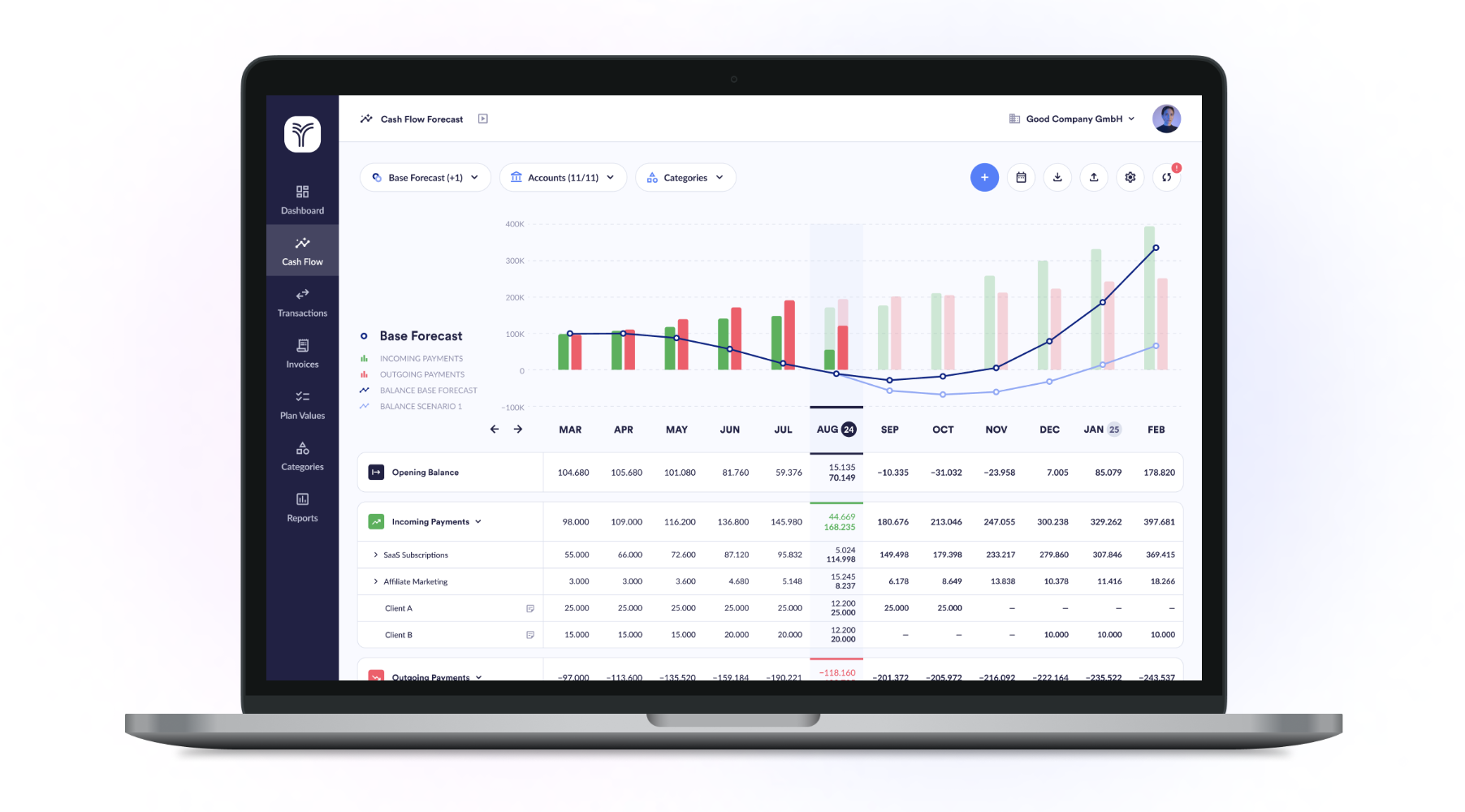
Stripe repayment structures impact cash flow by automatically deducting a percentage of each transaction until the financing is repaid. This repayment model links loan payments directly to revenue, which can create flexibility but also reduce available cash from daily sales.
Percentage-Based Repayment Model
Stripe lending typically uses a repayment structure where a fixed percentage of each payment processed through Stripe is withheld until the loan balance is repaid.
For example, a business may repay a loan through:
- A set percentage of daily payment processing
- Automated deductions from incoming sales
- Fixed repayment totals based on the original financing agreement
Because payments are tied to revenue, repayment amounts fluctuate with sales performance.
Cash Flow Advantages
The percentage-based structure can benefit businesses during slower sales periods. If revenue declines, repayment deductions decrease accordingly, helping maintain operational stability.
This approach can reduce the risk of missing fixed monthly loan payments.
Cash Flow Limitations
While flexible, this structure also reduces the amount of cash received from each transaction. Businesses relying heavily on payment processing revenue may experience tighter operating cash flow during repayment periods.
Companies with thin profit margins should carefully consider how repayment deductions affect daily working capital.
Alternative Financing Solutions
Many eCommerce businesses seek financing solutions specifically designed for retail cash-flow patterns.
Onramp Funds offers repayment models aligned with online sales performance and provides transparent pricing with fast approvals. Because underwriting evaluates multi-channel eCommerce revenue, businesses may secure funding that better reflects their overall performance.
Other financing providers include Wayflyer, Clearco, and Payability, which offer different revenue-based funding structures for digital retailers.
Managing Cash Flow With Stripe Lending
Businesses using Stripe lending should forecast future revenue and carefully evaluate how repayment deductions affect daily operating capital. Proper planning ensures financing supports growth without creating cash-flow strain.
Onramp Funds
Funding built around your sales
Connect your store and see what you qualify for. Repay as a percentage of sales, with no personal credit check.
Funding in as little as 24 hours.
