


Seasonal inventory planning can make or break your eCommerce business during peak shopping periods like Black Friday or the holidays. Here’s how you can prepare effectively:
- Analyze past sales data: Identify patterns in product performance, demand trends, and geographic preferences to stock up wisely.
- Plan months in advance: Secure inventory early to avoid supply chain delays and take advantage of supplier discounts.
- Maintain balanced stock levels: Use safety stock reserves to prevent overstocking or running out of popular items.
- Strengthen supplier relationships: Negotiate better terms and leverage funding for bulk orders or early payments.
- Invest in inventory tools: Real-time tracking and automated reordering help you stay ahead during busy seasons.
- Offer bundles and discounts: Move slow-moving stock while boosting average order value.
- Launch presale campaigns: Test demand, secure upfront payments, and refine inventory decisions.
- Monitor key metrics: Track turnover rates, sell-through rates, and inventory days on hand to adjust strategies.
- Optimize fulfillment operations: Hire temporary staff, upgrade systems, or partner with 3PL providers to handle the rush.
- Explore flexible funding: Shopify Capital and revenue-based financing ensure quick access to cash for inventory and operations.
Act now. Dive into your data, secure funding, and plan ahead to meet seasonal demand while maintaining steady cash flow.
Shopify Inventory Management: Dominate Peak Season With These Proven Strategies!

1. Use Historical Sales Data
Your past sales data is like a treasure map - it shows you what worked, what didn’t, and where your opportunities lie. Shopify’s analytics can help you uncover which products flew off the shelves and which ones gathered dust.
Start by digging into last year’s sales reports. Look for patterns in customer behavior, product performance, and revenue trends. For instance, identify items that consistently sold out or delivered strong profit margins. These insights can guide how you allocate your Shopify Capital funds for maximum impact.
Seasonal trends are another goldmine. Historical data can reveal when certain products peak in demand - like winter coats gaining traction in October or Valentine’s Day jewelry spiking in January. Stocking up at the right time ensures you're ready when demand hits.
Week-over-week trends are also worth keeping an eye on. If you notice a sudden surge in sales, you can adjust your inventory to keep up. Pay attention to stockouts, too. Products that sell out too quickly could be costing you revenue, so consider reallocating funds to restock these high-demand items.
Don’t forget to analyze geographic data. Regional preferences can vary - customers in warmer states might start buying summer gear earlier than those in colder areas. Use this information to distribute your inventory more effectively and plan your next restock with precision. By leveraging these insights, you can make smarter, data-driven decisions for your business.
2. Start Planning Early
Success in seasonal retail hinges on getting a head start. While some competitors might wait until the last minute to prepare, smart merchants know the value of planning months ahead.
Why is timing so critical? Because half of all holiday shoppers begin their buying spree by Halloween, which means your shelves need to be stocked and ready well before October. That means your planning should ideally kick off in Q2 - or even earlier. Acting early not only ensures you’re prepared but also helps you sidestep potential supply chain hiccups.
Supply chain issues like manufacturing delays, shipping slowdowns, and port congestion can throw a wrench in your plans. Securing inventory early is the best way to safeguard against these setbacks.
This is where Shopify Capital can make a big difference. With funding accessible in as little as two business days, you can act quickly when opportunities arise. For instance, if your supplier offers a bulk discount for early orders, fast access to funds allows you to lock in those savings without hesitation.
Beyond just having inventory ready, early planning comes with financial perks. Suppliers often reward early commitments with better pricing, helping you avoid the inevitable price increases as demand ramps up. Take Black Friday 2023, for example - online sales hit nearly $10 billion. The most successful merchants had secured their inventory months ahead, taking advantage of favorable rates. Early planning doesn’t just save money; it smooths out your cash flow, setting the stage for steady, sustainable growth.
3. Maintain Optimal Stock Levels
Finding the right balance in your inventory is crucial. Overstocking can tie up your cash and leave you with unsold goods at the end of the season, while understocking can lead to missed sales opportunities and frustrated customers.
One way to safeguard your business against these pitfalls is by establishing a safety stock reserve. Think of safety stock as a cushion - it helps you navigate unexpected demand surges or supply chain hiccups. It’s essentially your insurance policy to keep operations running smoothly when surprises arise.
Failing to maintain adequate stock levels can have serious consequences. Stockouts don’t just mean lost sales - they can damage customer trust and hurt your brand’s reputation. High customer expectations make it essential to avoid these missteps.
A well-maintained safety stock protects you from issues like supply chain delays, sudden spikes in demand, and the financial setbacks that come with running out of stock. Plus, it gives you the flexibility to adapt during peak shopping periods, ensuring customers stay happy and your business stays on track.
If cash flow is tight, options like Shopify Capital can help you replenish core inventory and build your safety stock reserve without overextending your finances. As the season progresses and real-time data rolls in, you’ll have the flexibility to adjust safety stock levels based on demand trends. This approach allows you to stay agile and prepared for any surprises.
Regularly reviewing your safety stock calculations is just as important. Markets change, and what worked last season might not cut it this year. For fast-changing markets, consider monthly reviews; otherwise, quarterly updates might suffice. Keeping these numbers up-to-date ensures your inventory strategy evolves alongside your business.
With a strong safety stock in place, you can confidently ramp up marketing efforts and promotions, knowing you’re ready to meet demand. A balanced inventory approach not only protects your bottom line but also sets the stage for continued growth and happy customers.
4. Work Closely with Suppliers
Once you've mapped out your inventory needs, the next step is building strong partnerships with your suppliers. These relationships can unlock better payment terms, bulk discounts, and smoother operations - especially when backed by Shopify Capital.
By using Shopify Capital, you can demonstrate your purchasing power with larger upfront orders. Sean Reyes, Founder and CEO of Shock Surplus, an auto parts retailer, shared how this approach transformed their supplier relationships:
"It's very hard to buy directly from some of the big brands in our space unless you have volume and money to back up that volume... You need a lot of cash runway. Shopify Capital has helped us approach the biggest brands in our industry by allowing us to go to them with large checks to show that we're serious."
With this strategy, Shock Surplus secured direct purchasing relationships with major brands, proving how capital-backed orders not only ensure steady inventory but also create opportunities for early payment perks.
Many suppliers offer discounts for early payments, and having quick access to funds can make a big difference. Shopify Capital, for example, can provide approved funding in as little as two business days. This speed positions you to take advantage of early payment discounts and strengthen supplier trust.
Pre-ordering inventory ahead of seasonal peaks is another way to stay ahead. Take The Buffalo Wool Co., for instance. This manufacturer and retailer of bison products used Shopify Capital to stock up before the winter and holiday rush, avoiding supply chain delays during high-demand periods.
Negotiating volume-based pricing is yet another advantage of working closely with suppliers. Shopify Capital’s flexible repayment system - where payments are automatically deducted as a percentage of daily sales - makes it easier to commit to larger orders without putting a strain on your cash flow. These volume discounts can further optimize your inventory planning for busy seasons.
Strong supplier relationships also pay dividends during peak times. Suppliers are more likely to prioritize businesses that pay on time, order regularly, and maintain clear communication. Investing in these relationships now can set the stage for smoother operations when it matters most.
5. Invest in Inventory Management Software
Seasonal inventory management can be a minefield without the right tools. When demand surges unexpectedly, every stockout means lost revenue, and overstocking can leave you with excess inventory that eats into your profits. That’s where real-time inventory tracking becomes a game-changer.
Modern inventory management software keeps a constant eye on your stock levels across all sales channels and warehouses. It updates automatically as transactions happen, giving you the agility to respond to demand shifts. This means fewer missed sales during peak times and less leftover stock when the season ends.
But it doesn’t stop there. These tools analyze both current trends and historical data to predict demand. During busy seasons, this forecasting feature ensures you maintain just the right amount of inventory - enough to meet customer needs without overloading your storage space. The result? Happier customers and lower holding costs.
Another standout feature is automated reordering. When stock levels dip below a set threshold, the system triggers purchase orders automatically. This keeps your shelves replenished without you having to micromanage every SKU - a lifesaver when your focus is pulled in a million directions during high-demand periods.
If you sell on multiple platforms, inventory management software syncs stock levels across all of them. Whether a customer buys from your Shopify store, a marketplace, or a physical shop, the system ensures accurate inventory counts everywhere. This synchronization prevents overselling, under-stocking, and the headaches that come with manual tracking. Plus, it ensures that your Shopify Capital investment directly improves your inventory accuracy and operational efficiency.
Speaking of Shopify Capital, it’s a great way to fund your inventory management upgrades without straining your cash flow. With flexible repayments tied to daily sales, you can secure the tools you need to keep your business running smoothly. Since Shopify Capital is designed to cover operational costs and other essentials, investing in inventory management software fits perfectly into this framework.
To get the most out of your software, integrate it with your existing systems - like your POS, e-commerce platform, and shipping tools. This creates a seamless flow of information, eliminating manual errors and giving you a clear, unified view of your operations. With this integration, you’ll be ready to handle seasonal demand shifts effectively, making it a cornerstone of your overall Shopify Capital strategy. It’s all about ensuring your inventory works as hard as you do during the busiest times of the year.
sbb-itb-d7b5115
6. Create Product Bundles and Discounts
Combining products into bundles or offering discounts can turn slow-moving items into profitable sales while giving your customers extra value. By identifying products that naturally go together and timing promotions strategically, you can clear out inventory and boost seasonal sales.
Think about complementary bundles that reflect how customers shop. For example, pairing winter coats with scarves and gloves or bundling grilling tools with outdoor furniture can increase the average order value while helping you move multiple products at once.
Gift sets are another great option, especially for holiday shoppers. Themed collections, like spa kits for Mother's Day or tech accessory bundles for Father’s Day, offer convenience and savings that appeal to customers looking for thoughtful gifts.
For consumable or frequently purchased items, value packs work wonders. Deals like "buy three skincare products for the price of two" or bundles with multiple sizes of a popular item can clear inventory quickly and satisfy demand.
To support these promotions, you might need upfront inventory investments. Flexible funding options, such as Onramp Funds, can provide quick, revenue-based financing without the rigid repayment terms of traditional loans, helping you stock up for seasonal sales.
Timing is everything when it comes to launching these bundles. Start winter promotions as early as November to beat the December rush. Similarly, back-to-school bundles launched in mid-July can attract parents and early planners before the competition heats up.
Limited-time offers, like a 48-hour flash sale on bundles, create urgency and let you test different product combinations. Once you find a combination that works, you can scale it by stocking more inventory.
When pricing bundles, make sure to clearly show the individual prices alongside the bundle price. This transparency highlights the savings while protecting your profit margins.
Lastly, consider cross-seasonal bundling. Pair end-of-season clearance items with products for the upcoming season. For instance, match discounted summer apparel with early fall styles to clear old stock while introducing customers to new arrivals.
7. Launch Presale Campaigns
Presale campaigns are a smart way to gauge demand, secure payments upfront, and reduce the risks tied to unsold inventory. They also offer valuable insights that can shape your future strategies. To make them successful, it’s essential to clearly communicate delivery timelines and product details. This is especially important for seasonal items, where timing is everything.
Build anticipation for your upcoming products by creating a strong visual and emotional connection. High-quality photos, detailed descriptions, and engaging storytelling can help customers picture their purchase, even before the product is available.
Shopify Capital can be a game-changer for funding your presale efforts. It can help you expand your advertising budget, hire professionals for photography and design, and even partner with influencers to extend your reach. Helena Price Hambrecht, Co-Founder of Haus, shares her experience:
"We weren't old enough as a business to be approved for a [traditional] loan, and all the other types of debt financing that we explored were just terrifying... That's when we found out about Shopify Capital."
With Shopify Capital, you can also host contests or giveaways to drive engagement and grow your contact list. Its flexible repayment system aligns with your presale revenue, making cash flow management during launches less stressful. Plus, the quick funding process ensures you can roll out campaigns on time, offering early bird pricing or exclusive perks to encourage pre-orders. Using this funding not only amplifies your marketing efforts but also provides critical data to guide inventory planning.
Keep a close eye on key metrics like conversion rates, average order values, and customer feedback. These numbers will help you fine-tune future campaigns and make smarter inventory decisions.
"Small businesses have real options to grow through Shopify Capital… I feel like we haven't even begun to tap into the ecosystem of what Shopify can do for us."
– Heather Price Hambrecht, Co-founder of Haus
8. Track Inventory Metrics
Keeping a close eye on key inventory metrics is essential for managing seasonal stock effectively. Without consistent monitoring, you might find yourself reacting to issues rather than staying ahead of them.
Inventory Turnover Rate
This metric shows how quickly your products move through the supply chain. A high turnover rate usually means you're managing inventory efficiently, while a low rate might indicate overstock. Seasonal items naturally fluctuate - sales peak during high-demand periods - so if something like winter coats has a low turnover rate in December, it’s a red flag worth investigating.
Sell-Through Rate
The sell-through rate compares the quantity sold to the amount received from suppliers. A low rate during peak season could mean products aren’t selling as expected, potentially leaving you with excess stock. On the other hand, a high sell-through rate signals strong demand but may also warn of possible stockouts if you can’t replenish inventory quickly enough.
Days of Inventory on Hand (DOH)
DOH measures how long it takes to sell your current stock. A lower DOH indicates faster sales and reduced holding costs, while a higher DOH might mean overstocking. For seasonal products, tracking DOH helps pinpoint slow-moving items that may need promotions or markdowns before they become unsellable. Addressing high DOH early can help you avoid unnecessary losses.
"Effective seasonal inventory management ensures you have the right products available at the right time, allowing you to capitalize on peak selling seasons and maximize revenue." - Inventory Planner
Using Shopify Capital for Inventory Gaps

When inventory metrics reveal shortages, Shopify Capital offers quick funding - available within 1–3 business days - to help you restock efficiently. This funding allows you to buy in bulk, negotiate better supplier terms, or expand your product lineup during periods of high demand. The flexibility of revenue-based repayment ensures that funding aligns with your cash flow, making it easier to manage seasonal inventory needs.
Shopify POS for Real-Time Insights
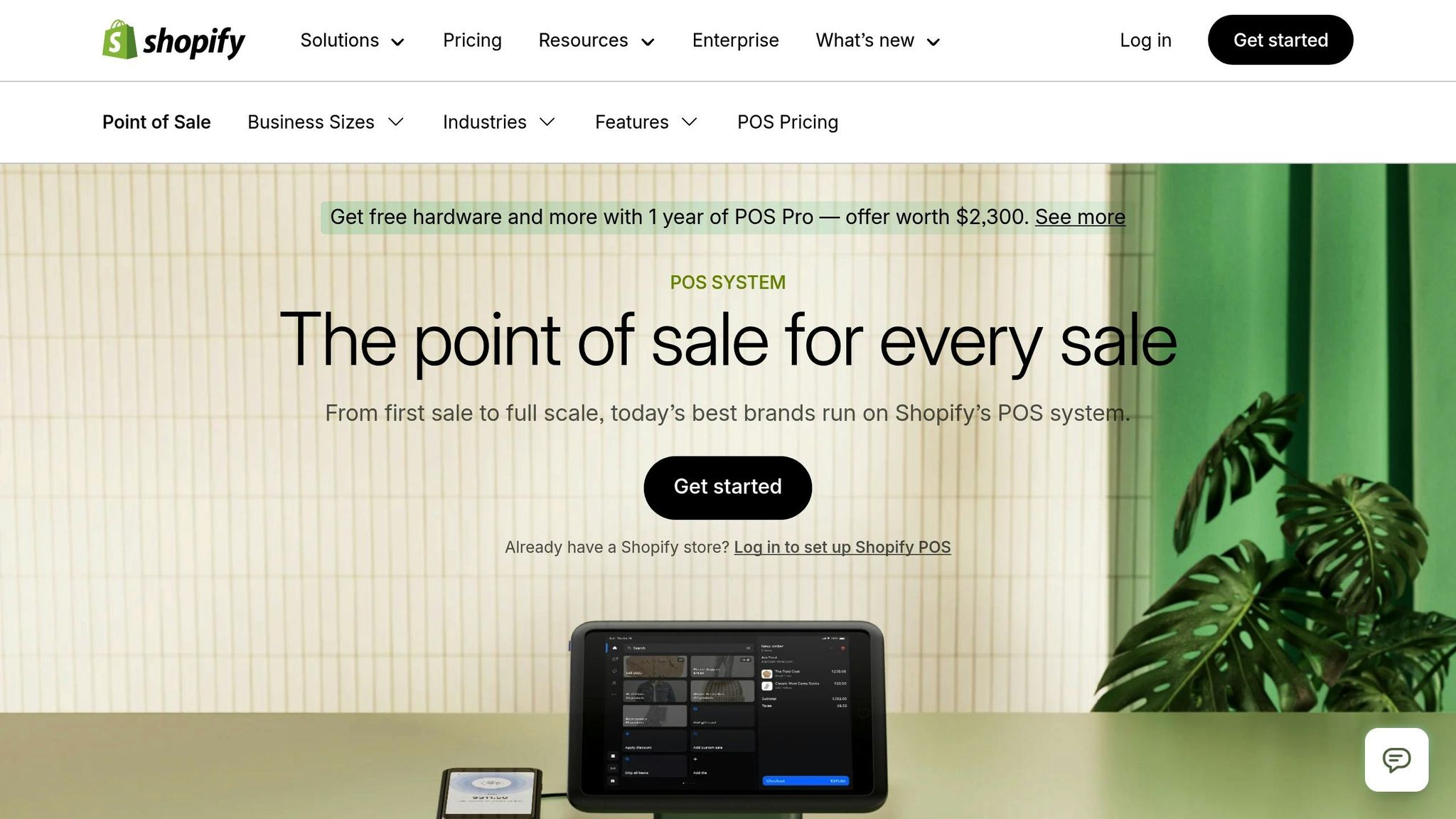
Technology is a game-changer for inventory management. Shopify POS tracks key metrics, sets up low-stock alerts, and generates real-time trend reports. These tools allow you to make smarter decisions about when and how much stock to order, ensuring you’re ready for peak demand.
"Stocking out of highly popular or revenue-generating products during a peak season can also have a dramatic effect on sales and consumer satisfaction." - Extensiv
Pay attention to sudden drops in daily sales or inventory levels, as they may indicate market shifts or supply chain issues that require immediate action. By consistently monitoring these metrics, you can fine-tune your inventory strategy and make the most of seasonal opportunities.
9. Improve Fulfillment Operations
Seasonal inventory planning isn’t just about having the right stock on hand - it’s also about ensuring your fulfillment system can handle the rush. Big shopping events like Black Friday can overwhelm even the most prepared systems, leading to missed sales opportunities and unhappy customers. To make the most of those peak periods, it’s crucial to fine-tune your fulfillment operations. These upgrades go hand in hand with earlier inventory and supplier strategies, helping your business scale effectively when demand skyrockets.
Hiring Additional Staff for Peak Periods
Bringing in temporary staff is often the fastest way to ramp up fulfillment capacity during busy seasons. Shopify Capital offers flexible funding options that can help you cover the cost of hiring extra hands, whether you need warehouse workers, customer service reps, or shipping coordinators. Since funds can be available in just a few business days, you can act quickly to meet demand.
Take Jordan Lee from The Public Pet, for example. After using Shopify Capital to expand his team, his business saw a 40–50% jump in revenue. The additional staff also helped him streamline checkout processes and keep operations running smoothly during the busiest times.
Upgrading Equipment and Technology
Tech upgrades can make a huge difference when it comes to handling high order volumes. Shopify Capital can help fund investments in automation and advanced systems, like warehouse management software or automated storage and retrieval systems. These tools simplify operations, from real-time inventory tracking to speeding up order fulfillment. For businesses dealing with heavy traffic, such systems can be game-changers.
Streamlining Shipping and Returns
Efficient shipping and returns are just as important as quick order processing. Tools like Shopify Shipping and Shopify Flow can automate tasks, cutting down on processing times and making returns less of a headache. For instance, Shopify Flow - available at no extra cost for Shopify plan holders - can automate order fulfillment, saving time and effort. Platforms that handle Return Merchandise Authorizations (RMAs) and trigger refunds while updating inventory in real time can also keep customers happy while reducing manual work.
Partnering with Third-Party Logistics Providers
When in-house solutions aren’t enough to handle peak demand, outsourcing fulfillment to third-party logistics (3PL) providers can be a smart move. Shopify Capital offers funding up to $2 million, which can cover setup costs, integration fees, or initial deposits for these services. By partnering with 3PL providers, you can tap into their established infrastructure and expertise without making a massive upfront investment.
Flexible Funding Advantages
"Being a small business owner, there are different problems to solve, from cash flow to finding customers, and Shopify Capital was crucial."
Jessica Wise, founder of Hell Babes, emphasizes how flexible funding can address operational challenges. Shopify Capital’s automated repayment system, which deducts a percentage of daily sales, helps businesses manage cash flow more easily, especially during fluctuating demand.
Whether you’re investing in extra staff, automation, or external logistics support, aligning your fulfillment strategy with your operational needs is key. Shopify Capital can provide the financial stability you need to navigate seasonal surges with confidence.
10. Consider Alternative Funding Options
While Shopify Capital is a great resource, exploring other financing options can offer your business the flexibility needed to navigate seasonal fluctuations. One standout option is revenue-based financing. This approach provides quick access to capital without the rigid terms of traditional loans. Payments adjust based on your sales - rising during busy seasons and easing during slower periods - helping you maintain steady cash flow.
The Benefits of Revenue-Based Financing
Jeremy, the Founder and Owner of Kindfolk Yoga, highlights how this type of funding worked for his business:
"Onramp offered the perfect solution with revenue-based financing to secure the capital we needed to invest in inventory and pay it back at a reasonable time frame once we made sales."
Fast Access for Seasonal Peaks
Timing is everything during peak seasons. Revenue-based financing, like that offered by Onramp Funds, ensures you can access capital in under 24 hours. This speed allows you to stock up on inventory before major sales events, such as Black Friday, or respond quickly to unexpected spikes in demand.
Flexible Repayment That Matches Your Sales
Another advantage of revenue-based financing is its adaptability. Payments automatically adjust to reflect your sales performance, making it easier to manage cash flow during seasonal highs and lows.
Torrie V., Founder and Owner of Torrie's Natural, shares her experience with this convenience:
"Onramp has simplified cash flow by automating everything: easy to request, set it and forget it payments - quick and fast!"
Smart Use of Alternative Funding
When seasonal inventory challenges arise, having access to quick and flexible funding can make all the difference. Onramp Funds provides equity-free financing, meaning you retain full ownership of your business while addressing seasonal needs. These funds can be used to stock up on inventory, optimize shipping and logistics, or ramp up your marketing efforts. To qualify, businesses typically need a legal U.S. entity and at least $3,000 in average monthly sales.
Strengthen Your Shopify Capital Strategy
Pairing Shopify Capital with revenue-based financing creates a robust funding strategy. Shopify Capital integrates seamlessly with your platform, but adding alternative funding ensures you’re prepared for surges in demand. This combination lets you handle seasonal inventory needs with confidence, giving you the purchasing power to meet customer expectations when it matters most. By blending these options, you can maximize your readiness for seasonal opportunities.
Conclusion
Seasonal inventory planning thrives on early preparation, informed decisions, and smart funding to handle peak demand while maintaining steady cash flow.
It all starts with data. Historical sales data is your compass, revealing trends that help you make smarter purchasing decisions and avoid costly mistakes like overstocking or running out of stock. Ideally, you should begin planning three to six months before your busiest seasons. This gives you enough time to secure inventory, negotiate better terms with suppliers, and fine-tune your operations.
Keeping stock levels balanced is crucial. Consider this: in Q3 2023, 58% of small and medium businesses sought external financing primarily for working capital. Partnering with suppliers, using advanced inventory management tools, and creating attractive product bundles can make a huge difference when demand spikes.
Funding plays a key role in bridging the gap between the upfront costs of preparation and the revenue that follows. Options like Shopify Capital provide quick, automated funding, while revenue-based financing solutions, such as Onramp Funds' 24-hour approval, offer flexibility. These repayment models adjust to your sales cycles - helping you manage slower periods while scaling up during peak demand. For example, whether you're gearing up for Black Friday or the holiday rush, access to fast funding ensures you’re ready to seize opportunities without missing critical inventory deadlines.
Now’s the time to act. Dive into your historical data, strengthen supplier relationships, assess your inventory systems, and explore funding options that fit your business needs. By combining careful planning, data-driven insights, and flexible financing, you’ll be prepared to meet seasonal demand head-on.
Success during peak seasons comes down to preparation, the right tools, and smart financial choices. Start implementing these strategies today to ensure you're ready to meet customer expectations confidently.
FAQs
How can Shopify Capital help secure inventory early to avoid delays during busy seasons?
Shopify Capital offers a straightforward way for merchants to secure funding, making it easier to stock up on inventory before peak shopping seasons. With this early access to funds, businesses can sidestep potential supply chain hiccups like delays or shortages, ensuring their shelves are stocked and ready when customer demand spikes.
This funding option is designed with seasonal trends in mind, enabling merchants to plan inventory purchases strategically. By maintaining the right stock levels during crucial sales periods, businesses can capitalize on sales opportunities while providing a smooth and reliable shopping experience for their customers.
How can inventory management software help with seasonal planning, and how does it work with Shopify Capital?
Inventory management software can play a big role in helping you prepare for seasonal shifts. With access to real-time data insights, you can keep stock levels just right - avoiding the headaches of overstocking or running out of products. It also sharpens demand forecasting, making it easier to gear up for busy seasons and work smoothly with your suppliers.
When paired with Shopify Capital, these tools work effortlessly together using APIs or compatible apps. This integration enables automated inventory updates, so your stock levels stay accurate, and you can steer clear of overselling during high-demand periods. Plus, with Shopify Capital's funding options, you can maintain steady cash flow and invest in the products that matter most when seasonal peaks hit.
How can I use presale campaigns to predict demand and plan seasonal inventory more effectively?
Presale campaigns offer an effective way to gauge customer interest and make smarter inventory choices for upcoming seasons. Start by building anticipation through targeted marketing efforts and social media teasers. These strategies not only grab attention but also help you measure early demand and customer preferences.
The preorder data you gather - like which products are generating buzz and the volume of orders - can reveal what’s likely to sell well. Pair this insight with historical sales data from previous seasons to fine-tune your inventory planning. This approach ensures you stock the right amount, avoiding the pitfalls of overstocking or running out of popular items during peak times. Thoughtful preparation like this aligns your inventory with actual customer demand, setting you up to seize every sales opportunity.
